« Articles
2026 Aston Martin Vantage vs Porsche 911: Understanding the Differences


Key Takeaways
- The 2026 Vantage starts at $194,500 with 656 hp, while the Vantage S bumps that to 670 hp for $199,500
- Porsche's 911 Carrera GTS now runs a T-Hybrid flat-six making 532 hp, starting near $148,000
- Despite giving up over 100 horsepower, the 911 GTS is quicker to 60 mph thanks to its lighter build and dual-clutch gearbox.
- Aston wins on drama and outright power; Porsche wins on daily comfort, tech, and value.
- Once options are added, both cars often land in the same $220,000 to $245,000 range.
Picking between two legendary sports cars isn't really about which one wins on paper. Both nameplates have decades of racing pedigree behind them, and honestly, either one will make you look twice in a parking lot. The real question buyers should be asking in 2026 is which car actually fits how they plan to drive it, not which one has the bigger number next to "horsepower."
Aston Martin Vantage in 2026
The Vantage still looks like it means business. Wide grille, sculpted haunches, a stance that's low enough to feel ready to pounce even when it's just sitting in a driveway. Step inside and the Aston treatment continues, Alcantara and leather wrapped around a cockpit that feels more like a tailored jacket than something bolted together on an assembly line.
Under the hood is a 4.0-liter twin-turbo V8, sourced from Mercedes-AMG but tuned to Aston's own recipe. Standard output sits at 656 horsepower, and the Vantage S pushes that to 670 hp if you want the sharper version.
Porsche 911 Carrera GTS in 2026
Porsche did something interesting for 2026: it gave the GTS trim a T-Hybrid powertrain, pairing a 3.6-liter flat-six with an electric turbocharger and a small motor tucked into the transmission. The horsepower figure, 532, looks modest next to the Vantage's, but the car doesn't drive like it's giving anything up.
And the shape hasn't changed much, which is sort of the whole point with a 911. Round headlights, that sloping tail, an interior built for function rather than flash. It's a car that knows exactly what it is.
How These Two Cars Actually Compare
Feature | Aston Martin Vantage | Porsche 911 Carrera GTS |
Engine | 4.0L twin-turbo V8 | 3.6L twin-turbo flat-six, T-Hybrid |
Horsepower | 656 hp (670 hp on the S) | 532 hp |
Torque | 590 lb-ft | 449 lb-ft |
Transmission | 8-speed automatic | 8-speed PDK dual-clutch |
0-60 mph | 3.5 sec (3.3 sec on the S) | 3.1 sec |
Starting price | $194,500 | $148,000 |
Everyday usability | Firm, two-seat, weekend-focused | Softer ride, small rear seats, daily friendly |
How Does the Powertrain Battle Actually Play Out
The numbers tell a strange story here; the "weaker" car is arguably the quicker one off the line.
1. Aston's Brute Force Advantage
There's no getting around it: 656 horsepower and 590 lb-ft of torque is a serious amount of muscle, and the Vantage S ups that to 670 hp. On raw output alone, this is not close.
2. Porsche's Hybrid Assist
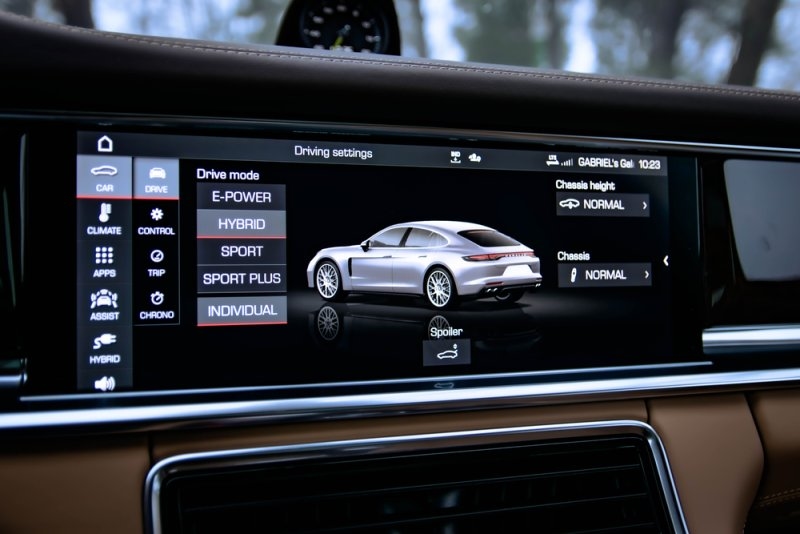
That electric turbocharger fills in the low-end punch almost the moment you touch the throttle, which erases the lag a normal turbo six would have. It's a small piece of engineering that makes a big difference in how the car actually feels to drive.
3. Weight and Gearbox Differences
The PDK gearbox shifts faster than Aston's conventional automatic, and the 911 is simply lighter. Add those two things together, and the horsepower gap starts to matter a lot less than it looks like it should.
Don't Miss: Porsche 911 AWD vs RWD: Which Drivetrain Should You Choose?
What Separates the Driving Experience
Get behind the wheel of each, and you'll notice pretty quickly these cars were built with different people in mind.
1. Vantage on a Winding Road
The suspension is stiff, the steering is sharp, and the whole car feels like it wants to be pushed. Point it at a mountain road, and it comes alive in a way that's hard to fake.
2. 911 on a Daily Commute
Switch to the GTS, and the ride softens considerably, the adaptive suspension smoothing out the kind of rough pavement that would rattle your fillings in the Vantage. It's the car you'd actually want to sit in during rush hour.
3. Ride Quality Trade-Off
Here's the trade-off in a sentence: what makes the Vantage exciting on a Sunday drive is exactly what makes it tiring on a three-hour highway trip. The 911 just doesn't have that problem.
How Do These Cars Compare on Technology and Space
This is where the gap between the two brands really hasn't closed much, if at all.
1. Infotainment Setup
Aston's rotary-dial-controlled screen feels like it's a generation behind. Porsche's touchscreen, on the other hand, is quicker to respond and integrates more smoothly with CarPlay and Android Auto.
2. Seating and Storage
The Vantage is a strict two-seater with tight cargo space, full stop. The 911 at least offers a pair of small rear seats and a bit more room for bags, which matters more than people expect until they're packing for a weekend trip.
3. Everyday Ownership
If a car needs to pull double duty as a daily driver, the 911 is the easier one to live with, no real argument there.
What Does Each Car Actually Cost in 2026
Sticker price is only half the story once you start checking option boxes.
1. Entry-Level Pricing
The Vantage opens at $194,500. The 911 GTS starts around $148,000, a gap of roughly $46,000 before anyone's even touched the configurator.
2. Fully Loaded Pricing
Load up a Vantage, and you're typically looking at $238,000 to $245,000. A well-optioned 911 GTS tends to land closer to $220,000 to $225,000.
3. Where the Gap Closes
Add carbon-ceramic brakes, a nicer interior, or a performance package to either car, and that price gap shrinks fast, even if Porsche still wins on the sticker.
Conclusion
At the end of the day, this comparison isn't really about which car is "better." It's about which one matches how you'll actually use it. If you want something that turns heads and doesn't apologize for being loud about it, the Vantage delivers that in a way few cars can. If you want a car that's just as happy on a track day as it is picking up groceries, the 911 GTS is the easier choice to live with. Both are excellent. Neither is wrong. It just comes down to what kind of driving you actually do.
Also Read: Porsche Family Car: The Best Models for Family Driving
Frequently Asked Questions
Is the 2026 Aston Martin Vantage faster than the Porsche 911?
Not quite, despite having more horsepower. The 911 GTS reaches 60 mph quicker thanks to its lighter build, hybrid boost, and dual-clutch gearbox, which together offset its smaller engine and lower output on paper.
Which car is cheaper to buy in 2026?
The Porsche 911 GTS starts around $148,000, well below the Vantage's $194,500 starting point. That gap does narrow with options, but Porsche remains the more accessible way into this class of car.
Is the Porsche 911 GTS hybrid now?
Yes. For 2026, the GTS moved to a T-Hybrid setup, combining a 3.6-liter flat-six with an electric turbocharger and a small motor built into the transmission for sharper throttle response.
Which car is better suited for daily driving?
The 911, without much debate. It rides smoother, has small rear seats, offers more cargo space, and runs newer tech. The Vantage's stiffer ride and two-seat layout make it better suited to occasional drives.
Do these cars hold their value well?
Generally, yes, both hold value better than most luxury cars. The 911 has the longer track record thanks to higher production numbers, though limited Vantage builds can sometimes appreciate depending on trim and demand.
This content was created by AI
Featured Video
The fastest Porsche 911 ever made | Turbo S
The Porsche 911 has a turbo boost button but you only have 20 seconds...
Comment using Facebook