« Articles
2026 Toyota Supra vs. Porsche 911: Design, Performance, Etc

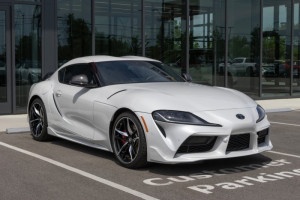
Ask any car enthusiast to name their dream two-door, and there's a good chance the Toyota Supra or the Porsche 911 comes up. Both have earned that spot the hard way, through decades on track and on the street, but they've gotten there by taking almost opposite approaches. This 2026 Toyota Supra vs Porsche 911 comparison walks through design, power, handling, and top speed so you know what you're actually choosing between before you head to a dealership.
The Supra goes all in on aggressive styling and a price tag most people can actually stretch for. The 911 does the opposite, sticking close to a formula Porsche has been polishing since 1963. Neither is the "right" answer here. It really just comes down to what you want out of a drive.
Key Takeaways
- The 2026 Toyota Supra runs a 3.0L turbocharged inline six good for 382 horsepower, available with either a manual or an 8-speed automatic.
- The 2026 Porsche 911 Carrera starts at 388 horsepower and tops out at 532 horsepower on the GTS trim thanks to its new T Hybrid setup.
- Top speed favors Porsche by a wide margin, with 911 trims running from 183 mph up past 190 mph against the Supra's 155 mph.
- Price is where the Supra claws back ground, starting near 58,000 dollars compared to roughly 130,000 dollars for the 911.
- Manual transmissions survive on both cars, though most agree the 911's PDK dual clutch is the more polished of the two.
What Separates the Supra and 911 in Design Philosophy
The gap between these two cars starts with intent, not just sheet metal. Toyota built the current Supra to hit hard on looks and price, giving buyers a genuinely quick coupe that costs a fraction of what a 911 does. Porsche, meanwhile, isn't trying to reinvent anything. It keeps refining the same basic shape and formula it landed on generations ago, tweaking aerodynamics and tech without ever letting the 911 stop looking like a 911.
You can see that difference play out everywhere, from the bodywork to the cabin to how each brand decides to spend its horsepower.
How the Supra and 911 Look Different on the Road
There's no mistaking a Supra for anything else. That double bubble roof, the flared fenders, and the low, hunkered-down stance make it look ready to pounce even parked in a driveway. For 2026, the MkV Final Edition sharpens that further with carbon fiber trim and a set of exclusive 19-inch wheels, giving this generation a fitting sendoff.
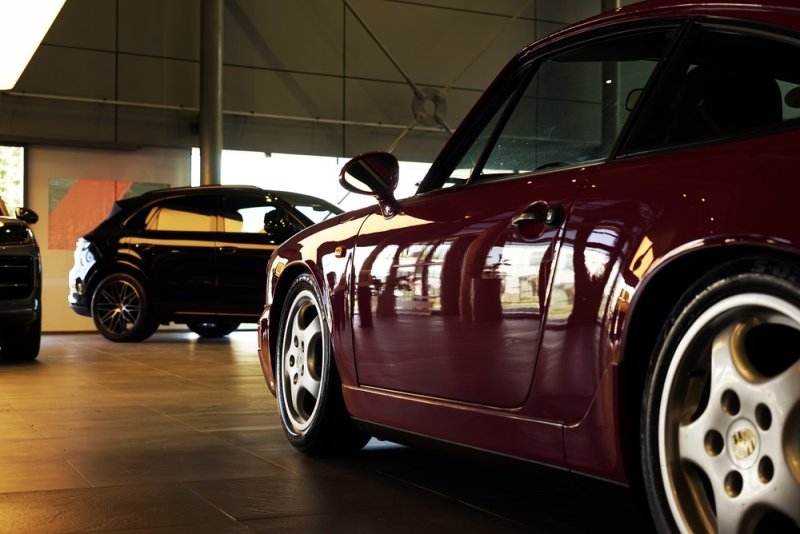
The 911 plays a different game entirely. Its sloping roofline and muscular rear haunches have barely shifted in decades, and that's the whole point. People aren't buying a 911 to look cutting edge. They're buying it because it still looks like a 911. If you want heads to turn with something that screams modern sports car, the Supra does that better. If you want quiet, unmistakable pedigree, the 911 wins that argument every time.
Which Cabin Feels Better in 2026, Supra or 911
Climb into the Supra, and it's obvious who this cockpit was designed for. Everything sits within easy reach, the seats grip you tight through corners, and there's not much wasted space or fluff. It's a cabin built around driving hard, not around long, relaxed road trips.
The 911 takes a more grown-up approach. You get a curved instrument cluster, a 10.9-inch touchscreen running Porsche's latest infotainment, and trim options like Race-Tex or full leather that make the cabin feel just as at home at a nice dinner as it does on a track day. If interior polish and everyday comfort matter to you as much as performance, the 911 has the edge here.
Also Read: Ultimate Guide to Picking Wheels for Your Porsche 911
How Much Horsepower Do the 2026 Supra and 911 Have
This is where the two cars really start to pull apart. The Supra's 3.0-liter turbo inline six makes 382 horsepower and 368 lb-ft of torque, which is enough to hit 60 mph in 3.9 seconds with the automatic. That's still quick by almost any standard.
Porsche just spreads more power across more trims. The base Carrera now makes 388 horsepower on its own, the Carrera S jumps to 473, and the new Carrera GTS pairs its twin-turbo flat six with an electric motor for 532 combined horsepower and a 2.9-second sprint to 60 with the Sport Chrono package. Even the cheapest 911 edges out the Supra on paper, and the higher trims aren't really in the same conversation anymore.
Manual or Automatic, What Each Car Offers
It's genuinely nice to see both brands still betting on the manual transmission in 2026. The Supra gives you a 6-speed manual or an 8-speed automatic, so you can pick between full control over every shift or something smoother for daily driving.
Porsche's 8-speed PDK dual-clutch is still considered the gold standard for quick, seamless gear changes, and it comes standard on most 911 trims. A manual is still available on select models like the Carrera T for anyone who wants that old-school, hands-on connection to the car.
Which Car Handles Better, Supra or 911
The Supra makes cornering feel easy. Between the Rear Wheel Drive layout and the adaptive dampers, you can place it exactly where you want on a twisty road, and its lighter build makes it feel eager rather than nervous. It's also forgiving enough on rough pavement that you won't dread the daily commute.
The 911 handles corners in a way that's hard to replicate anywhere else. That rear engine layout rewards drivers who commit mid-corner, giving a kind of grip and feedback most cars simply can't match. Higher trims add Porsche Active Suspension Management and rear axle steering, both of which give the 911 a level of adjustability the Supra doesn't try to compete with. And if you're somewhere that actually sees winter, the All Wheel Drive Carrera 4S turns the 911 into a car you can drive year-round without worry.
Also Read: 2024 Audi RS6 Avant vs Porsche 911 Design and Key Differences
How Fast Is the Supra Compared to the 911
The Supra caps out around 155 mph, which is more than enough for public roads but not close to what the 911 can do. The base Carrera hits 183 mph, the Carrera S pushes to 191, and the top trims flirt with 200 mph territory. Whether you're comparing spec sheets or actual track time, the 911 just has more speed left in reserve.
Should You Buy the 2026 Supra or the 2026 Porsche 911
If you want a coupe that turns heads and genuinely delivers on performance without draining a six-figure budget, the 2026 Supra is tough to argue with. It's fun, approachable, and quick enough to satisfy most people who just want to enjoy driving.
If money isn't the deciding factor and you want one car that can handle a daily commute in the morning and a track day in the afternoon, the 911 is still the more complete answer. The extra horsepower, sharper handling, and decades of refinement are exactly what you're paying for.
Frequently Asked Questions
Is the Toyota Supra as fast as the Porsche 911?
Not really. The Supra maxes out around 155 mph, while even the base 911 Carrera reaches 183 mph, and the quicker trims go well past 190. The 911 also gets to 60 mph faster across most of its lineup, especially in GTS or Turbo S form.
Which is more affordable, the 2026 Supra or the 2026 911?
The Supra wins easily here, starting around 58,000 dollars against roughly 130,000 for the 911. That gap only grows once you start looking at higher 911 trims, where prices can climb past 240,000 dollars.
Does the 2026 Toyota Supra still offer a manual transmission?
It does. Toyota still offers a 6-speed manual alongside the 8-speed automatic on both the 3.0 and 3.0 Premium trims, so drivers who want full control over their shifts still have that option.
What is new on the 2026 Porsche 911 lineup?
The headline change is the T Hybrid powertrain now available on the Carrera GTS trims, which pairs a twin-turbo flat six with an electric motor for 532 combined horsepower. Base Carrera trims also picked up a small horsepower bump for 2026.
Is the Porsche 911 practical for daily driving?
Surprisingly, yes. It manages to balance real comfort with serious performance better than most cars in its class. All Wheel Drive trims like the Carrera 4S handle winter roads with confidence, and the cabin is refined enough that long drives don't feel like a chore.
Featured Video
The fastest Porsche 911 ever made | Turbo S
The Porsche 911 has a turbo boost button but you only have 20 seconds...
Comment using Facebook