« Articles
Porsche 911 GT3 R Rennsport Built Purely for Racing

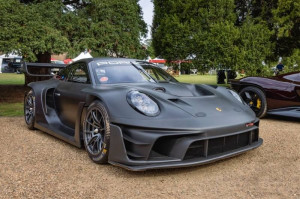
The Porsche 911 GT3 R Rennsport is not a car that tries to please everyone. It does not chase comfort, convenience, or casual admiration at stoplights. Instead, it exists for one reason only. Racing. This machine is built with track days, pit lanes, and stopwatch pressure in mind. In this blog, we’ll talk about what makes it special, how it differs from road-going 911s, what the specs actually feel like in motion, and why it sparks debates about street use. Along the way, we’ll connect its racing DNA to American motorsport culture and the deeper emotions that come with purpose-built machines.
Porsche 911 GT3 R Rennsport Racing DNA From Day One
Every great race car starts with a clear intention. This section sets the stage for how the Porsche 911 GT3 R Rennsport earns its reputation without apology.
Built With A Singular Mission
The Porsche 911 GT3 R Rennsport is not adapted from a street car. It’s engineered as a racer first. That distinction matters. While road cars compromise for comfort, emissions, and daily use, this car skips all that. Everything you see and feel has a reason tied to lap times.
You know what? That clarity is refreshing. In a market full of multi-mode everything, this car picks a lane and stays there.
A Rennsport Philosophy That Still Matters
Rennsport is not just a badge. It’s Porsche's shorthand for motorsport honesty. Lightweight parts, race-focused tuning, and no distractions. American racing fans often compare it to a purpose-built NASCAR road course car or an IMSA prototype mindset. Different formats, same obsession.
And yes, it’s still a 911. Rear engine. Familiar silhouette. But beneath that shape, it’s a whole different animal.
Design And Aerodynamics That Serve Lap Times
Looks matter, but here they are secondary. This section explains how form follows function without losing character.
Bodywork Shaped By Air And Heat
The wide stance, massive rear wing, and aggressive front splitter aren’t there for drama. They manage airflow and cooling. High-speed stability is the real goal. At racing speeds, small changes in air pressure feel huge.
Honestly, it’s like wearing a tailored racing suit. Nothing flaps. Nothing wastes energy.
Cooling And Brake Management
Long American endurance races demand consistency. The GT3 R Rennsport channels air to brakes and engine components with precision. Heat is the enemy. Porsche treats it like one.
Even the placement of vents feels intentional, because it is.
Aero Balance That Builds Driver Confidence
There’s a quiet confidence baked into the way the aero works here. Downforce isn’t dumped all at once. It builds progressively as speed rises, which helps drivers trust the car when pushing deeper into corners.
Think of it like a well-weighted steering wheel. Not too light. Not too heavy. Just enough resistance to remind you that grip is there, waiting to be used.
Stability Over Flash At Racing Speeds
Some race cars look wild standing still, but feel nervous at speed. The GT3 R Rennsport takes the opposite route. Its aerodynamics favor calmness.
Crosswinds, tire wear, and late braking into traffic. The aero doesn’t fight the driver. It supports them. That restraint is what separates a fast car from a reliable one over hours, not laps.
Engine And Performance That Speak Loudly
This is where emotion creeps in. Engines are not just numbers, especially for enthusiasts.
Naturally Aspirated Power That Feels Alive
The flat-six engine stays naturally aspirated, a choice that surprises some. Turbocharging could add power, sure. But response matters more on track. Throttle input translates instantly. No waiting. No guessing.
If you’ve ever watched a race at Road America or Laguna Seca, you know how much that matters coming out of corners.
Transmission And Control
Sequential gearboxes dominate here. Shifts are sharp and mechanical. It’s not smooth like a luxury sedan. It’s firm. Direct. Almost blunt.
Here’s the thing. That rawness is the point.
Don't Miss: Porsche Electric Hybrid Models 2026: Full Lineup Guide
Porsche 911 GT3 R Rennsport Specs That Matter On Track
Numbers tell part of the story. This section grounds the emotion in facts without turning clinical.
Porsche 911 GT3 R Rennsport Specs Overview
When people search for Porsche 911 GT3 R Rennsport specs, they usually want clarity. Here’s what stands out without getting buried in charts.
- Engine displacement sits around four liters
- Power output exceeds 500 horsepower, depending on configuration
- Weight is stripped down aggressively for racing balance
- Rear-wheel drive stays true to 911 heritage
Simple on paper. Wild in motion.
Porsche 911 GT3 R Rennsport Top Speed Reality
Top speed figures vary by track setup, but the Porsche 911 GT3 R Rennsport top speed pushes well beyond what most drivers ever need. On long straights, it feels planted, not frantic.
That’s the difference between fast and confident fast.
Street Legality Question Everyone Asks
This is where curiosity peaks. Let’s address it head-on.
Is the Porsche 911 GT3 R Rennsport Street Legal?
Short answer. No. The phrase Porsche 911 GT3 R Rennsport street legal gets searched a lot, but this car isn’t meant for public roads. It lacks emissions compliance, safety equipment for street use, and creature comforts.
Could it roll down Main Street? Maybe. Should it? Probably not.
Why That Actually Makes Sense
Keeping it off the street protects what it is. Race cars lose something when forced into daily duty. The Rennsport identity stays pure by staying focused.
Honestly, that restraint is admirable.
Driving Experience And Racing Culture Connection
This section ties the machine to the mindset and brings it closer to the reader.
What Drivers Feel Behind The Wheel
Drivers talk about clarity. Feedback through the steering wheel. Communication from the chassis. You’re not guessing what the car wants. It tells you.
It’s like playing a well-tuned instrument. Miss a note, and you know instantly.
American Racing Influence And Appeal
From IMSA paddocks to private track days in California and Texas, the 911 GT3 R Rennsport fits American racing culture well. It respects tradition while pushing performance.
Season after season, it proves reliability matters as much as speed.
Also Read: Inside Porsche Engineering Redefining Luxury Performance
Conclusion
The Porsche 911 GT3 R Rennsport is not about compromise or convenience. It’s about commitment. Built purely for racing, it carries decades of motorsport knowledge into a single, focused form. For American fans who appreciate machines with purpose, it stands as a reminder that some cars are meant to be driven hard, understood deeply, and admired for their honesty. Not everything needs to be street-friendly to be meaningful.
FAQs
What Is The Porsche 911 GT3 R Rennsport Designed For?
It is designed strictly for professional and amateur racing. Track performance takes priority over comfort or daily use.
Is The 911 GT3 R Rennsport Available To Private Teams?
Yes, Porsche offers it to customer racing teams. Many private outfits compete successfully with it worldwide.
How Fast Is The Porsche 911 GT3 R Rennsport?
The top speed depends on setup and track layout. It reaches extremely high speeds on long straights while staying stable.
Why Is The GT3 R Rennsport Not Street Legal?
It lacks road safety and emissions equipment. Its design choices favor racing rules, not public road regulations.
Featured Video
The fastest Porsche 911 ever made | Turbo S
The Porsche 911 has a turbo boost button but you only have 20 seconds...
Comment using Facebook