« Articles
Porsche Engine Types Explained: Flat-6 vs V8 Power

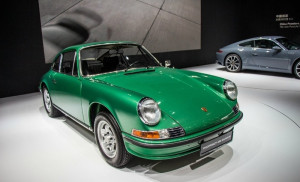
Porsche has never treated engines as a marketing tool. That alone separates it from most performance brands. Every Porsche engine exists because it solves a specific problem, not because it looks good in a brochure. If something works, Porsche keeps refining it. If it does not, it gets dropped, no matter how popular it once was.
That mindset explains why Porsche engine types look conservative on paper but feel anything but ordinary on the road. From the flat six that defines the 911 to the V8s used in heavier performance models, Porsche performance engines are built around real driving, not trends.
How Porsche Approaches Engine Development
Porsche does not start with horsepower targets. It starts with balance, heat control, and how the engine will behave after years of use. A Porsche engine is expected to deliver the same response on a cold morning commute as it does after hard driving.
This is why Porsche performance engines often feel mechanical in the best way. Throttle inputs translate cleanly. Power builds in a predictable way. There is very little artificial behavior engineered into the experience.
That approach runs through all Porsche engine types.
The Main Porsche Engine Types
Over the decades, Porsche has experimented with different layouts, but only a few survived long term. The two most important Porsche engine types are easy to identify.
- The Porsche flat 6 engine
- The Porsche V8 engine
Each exists for a clear purpose. One prioritizes balance and driving feel. The other focuses on torque, stability, and sustained performance in larger vehicles.
More to Discover: Porsche 911 GT3 R Features, Performance, and Design
Porsche Flat 6 Engine: Why It Still Exists
The Porsche flat 6 engine is not used out of nostalgia. It is used because it works. This layout places six cylinders horizontally, split evenly on both sides of the crankshaft.
That design lowers the engine’s height and keeps mass close to the ground. The result is better stability and a chassis that feels settled even when pushed.
What the Flat 6 Changes Behind the Wheel
The Porsche flat 6 engine delivers advantages you notice immediately:
- Less body movement during cornering
- Smoother power delivery at high RPM
- Predictable handling when accelerating out of turns
This is why Porsche stuck with the flat six long after other brands abandoned similar layouts. It supports the way a Porsche is meant to be driven.
How the Porsche Flat 6 Engine Has Changed Over Time
Older versions of the Porsche flat 6 engine relied on air cooling. They were raw, loud, and mechanically simple. Modern versions use water cooling for better temperature control and emissions compliance.
Even with these updates, the personality did not disappear. The engine still revs cleanly, still responds instantly, and still produces a sound that feels intentional rather than engineered.
Among all Porsche engine types, the flat six remains the clearest expression of the brand.
Porsche V8 Engine: Built for Weight and Distance
The Porsche V8 engine exists because some vehicles demand more torque and stability. Larger cars like the Panamera and Cayenne need power that does not fade under load.
That does not mean Porsche simply dropped in a generic V8.
What Makes the Porsche V8 Engine Different
The Porsche V8 engine is designed to stay composed. It is not about aggressive launches or dramatic sound. It is about usable power across a wide speed range.
Common traits include:
- Broad torque that does not overwhelm the chassis
- Turbocharging tuned for response, not shock
- Internal components designed for sustained stress
This is why the Porsche V8 engine feels controlled rather than wild.
Real-World Driving With a Porsche V8 Engine
On the road, the Porsche V8 engine delivers smooth acceleration and effortless cruising. High speeds feel stable. Passing power is immediate. The engine never feels strained, even when the vehicle is fully loaded.
That balance is why the V8 remains a key part of Porsche engine types today.
Explore More: Porsche Cayenne vs BMW X5: Finest Luxury SUV Choice
Turbocharging in Modern Porsche Engines
Turbocharging is now standard across many Porsche engines, but the execution matters. Porsche does not chase peak boost numbers. It focuses on drivability.
Modern Porsche performance engines use turbo systems designed to minimize lag and maintain linear throttle response. Power builds naturally, not suddenly.
This keeps Porsche engines engaging rather than artificial.
Engineering for Longevity
Porsche engines are built to tolerate abuse. Oil systems are designed to maintain pressure during hard cornering. Cooling systems are built to handle sustained heat without degradation.
These are not features added for marketing. They are requirements.
That is why Porsche performance engines often feel solid even with high mileage.
Choosing Between Porsche Engine Types
Drivers who care about balance, sound, and feedback often gravitate toward the Porsche flat 6 engine. Those who want torque, comfort, and stability over long distances usually prefer the Porsche V8 engine.
Both are Porsche engines. The difference is how you plan to drive.
Porsche Performance Engines in Everyday Use
Despite their motorsport heritage, Porsche engines are designed to work in daily traffic. Smooth idle, predictable response, and reliability are not optional.
This practicality is what makes Porsche performance engines usable beyond weekend driving.
Where Porsche Engines Are Headed
Porsche continues refining combustion engines while integrating hybrid systems. Electric assistance is used to support efficiency and performance, not replace mechanical involvement.
The underlying philosophy behind Porsche engines has not changed.
You may also like: Inside Porsche Craftsmanship: How a Performance Icon is Made
Final Thoughts
Porsche engines exist for a reason. The Porsche flat 6 engine delivers balance and character. The Porsche V8 engine delivers control and strength. Together, these Porsche engine types show what happens when engineering decisions are made for drivers, not marketing teams.
That is why Porsche performance engines still stand out.
FAQs
Why does Porsche still use the flat 6 engine?
Because the Porsche flat 6 engine offers balance and handling benefits that suit Porsche’s driving philosophy.
Is the Porsche V8 engine focused only on power?
No. The Porsche V8 engine is tuned for stability, torque, and real-world usability.
Are Porsche performance engines reliable long term?
Yes. Porsche performance engines are engineered for durability when maintained correctly.
Featured Video
The fastest Porsche 911 ever made | Turbo S
The Porsche 911 has a turbo boost button but you only have 20 seconds...
Comment using Facebook