« Articles
Porsche Cayenne Turbo GT Vs BMW X5 M: 2026 Winner?

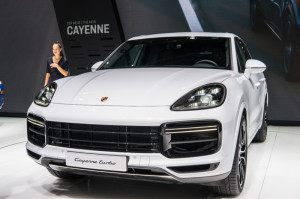
Luxury performance SUVs are a weird flex, in the best way. They’re family-hauler shapes with supercar energy. They look polite in a parking lot, then embarrass sports cars on an on-ramp. And in 2026, two names keep showing up in the same argument: the Porsche Cayenne Turbo GT and the BMW X5 M.
On paper, both are brutally quick, wildly capable, and priced like a small piece of real estate. In real life, they feel different. One leans toward precision and track-bred balance. The other leans toward brawny power with a muscle-SUV vibe.
So which one wins for 2026? The answer depends on what “win” means to the driver.
Porsche Cayenne Turbo GT Character And Real World Feel
The Porsche Cayenne Turbo GT is the type of SUV that makes drivers forget they’re in an SUV. It feels tight, planted, and oddly disciplined. The steering doesn’t just turn the car, it communicates. The suspension feels tuned with intent. Not comfort-first intent. Control-first intent.
That matters in 2026 because performance SUVs have become so quick that straight-line speed is almost common now. The differentiator is how the SUV behaves when the road gets messy. Uneven pavement. Tight corners. Sudden lane changes. The Turbo GT tends to stay calm and composed, like it expected the chaos.
And yes, it can still cruise. It just never stops feeling ready.
The Quick Take On Luxury Performance SUV 2026 Choices
The current luxury performance SUV 2026 conversation boils down to this: does someone want an SUV that feels like it was engineered by racers, or one that feels like it was engineered to dominate highways with effortless punch?
The Cayenne Turbo GT tends to prioritize composure, steering feel, and cornering confidence. It’s the one people describe as “shockingly agile” for its size. The X5 M, meanwhile, is known for big power delivery, aggressive character, and that classic BMW “I dare you” attitude when the driver puts their foot down.
Both can do daily duty. Both can do long trips. Both can do loud fun. But they deliver it in different flavors.
Cayenne Turbo GT Specs That Actually Matter
A spec sheet can be a flex or a distraction. The trick is focusing on what impacts the drive. Cayenne Turbo GT specstypically highlight weight management tweaks, performance tuning, and chassis hardware that helps the SUV corner flatter and respond faster.
Drivers feel that as sharper turn-in, less body roll, and more confidence at speed. It’s not only about horsepower. It’s about how the power shows up and how the platform handles it.
BMW’s X5 M has its own hardware story too, and it’s strong. But Porsche tends to obsess over chassis feel like it’s a personal mission. That obsession shows up when the driver pushes harder than they planned.
Porsche Cayenne Horsepower Vs BMW’s Muscle Approach
Numbers talk. And both of these SUVs have plenty to say. When people compare Porsche Cayenne horsepower to what BMW offers in the X5 M, the takeaway is that both are powerful enough to feel borderline ridiculous for everyday roads.
Where the difference shows up is delivery. Porsche tends to make power feel clean and controlled, like it’s always within reach but never sloppy. BMW tends to make power feel bold and heavy-hitting, like a big wave that keeps coming.
Some drivers want the clean precision. Others want the punch. Neither is wrong. It’s personality preference.
Cayenne 0-60 Time And The Real Meaning Of Quick
Yes, people care about acceleration stats. They should, because it’s fun. But there’s a difference between “fast once” and “fast always.” The Cayenne 0-60 time conversation is really about repeatability and confidence, not just one launch.
The Turbo GT feels fast in a way that stays stable. It accelerates hard without feeling nervous. The X5 M also launches like a missile, but its vibe is more aggressive, more dramatic, more “hold on.”
For daily use, the important part is how controllable the speed feels. Both deliver speed. Porsche often makes it feel smoother and more predictable. BMW often makes it feel louder and more intense.
Handling And Steering: The Big Separator
If a driver cares about corners, the Cayenne Turbo GT usually takes the point. The steering feels more connected. The chassis feels like it’s working with the driver rather than simply hanging on.
The X5 M handles impressively for its size, no doubt. But it often feels like a powerful SUV that learned to dance. The Turbo GT feels like a performance machine that happens to be tall.
That distinction matters for people who enjoy driving for the sake of driving, not just for getting somewhere faster.
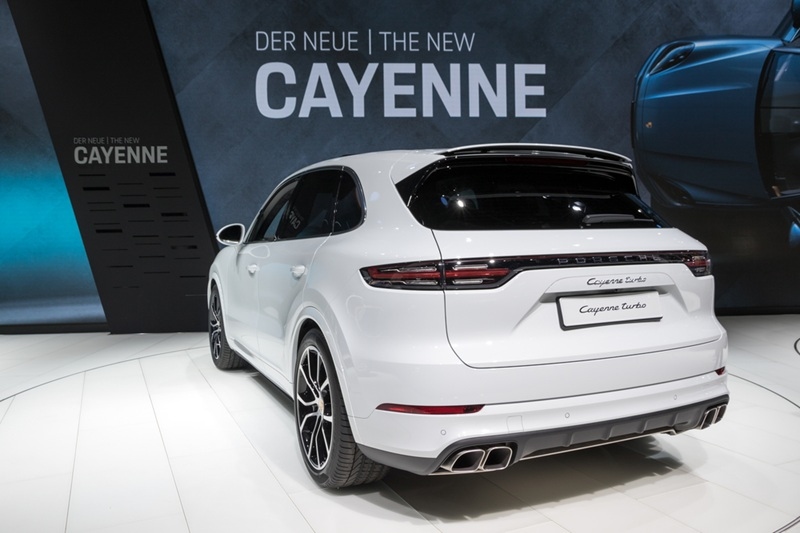
Ride Comfort And Daily Livability
Here’s where it gets honest. Performance tuning can punish comfort. The X5 M can ride firmly, especially on aggressive settings, but it often retains a sense of luxury plushness underneath the performance edge.
The Turbo GT can also feel firm because it’s tuned for control. Over rough roads, some drivers will prefer the BMW’s more traditional luxury cushion. Others will love Porsche’s stable, planted feel.
Daily livability is also about cabin layout, tech, and usability. BMW’s interface can feel intuitive once learned. Porsche’s design often feels clean and driver-focused. The best approach is simple: the driver should ask which cabin feels easier to live with every single day.
Also Read: Tesla Supercharger Network Access and Growth for EV Drivers
Price And Value: The Reality Check
This is where emotions meet bank accounts. A major part of the decision is Porsche SUV price USA versus what BMW asks for the X5 M when options pile up.
The Cayenne Turbo GT tends to sit at a premium, and Porsche options can add up quickly. BMW also isn’t cheap, and option packages can climb fast too. But buyers often compare what they get standard, what they must add, and what resale might look like later.
Some people will pay extra for the Porsche feel. Others will see BMW’s performance value as the smarter move. The “winner” depends on what the buyer prioritizes: driving purity, features-per-dollar, or long-term desirability.
The BMW X5 M Strengths That Buyers Love
The X5 M’s biggest advantage is presence. It feels aggressive. It sounds aggressive. It moves like it has something to prove. That’s a selling point.
It’s also practical. Space, usability, and daily comfort often feel strong, even with the performance hardware. And BMW tends to deliver a powerful, confident driving experience that feels exciting at lower speeds too.
For drivers who want drama, the X5 M can be the more emotionally loud choice. It turns a grocery run into a tiny event. Some people love that.
The Turbo GT Strengths That Win Drivers Over
Now circle back. The second mention matters because this is where the Cayenne’s personality becomes clear. The Porsche Cayenne Turbo GT is often the pick for drivers who care about steering feel, chassis balance, and confidence when pushing hard.
It doesn’t feel like it’s simply fast. It feels engineered to stay composed at speed. That’s why it attracts buyers who might have owned sports cars before and don’t want to lose that sensation just because they need extra doors and cargo space.
And when someone looks at Cayenne Turbo GT specs again with that in mind, the details make sense. The hardware is there to create a specific feeling, not just a brochure headline.
Which One Wins In 2026: The Decision Framework
If the buyer wants the sharper, more precision-focused driving experience, Porsche usually wins. If the buyer wants a muscle-luxury vibe with huge shove and everyday comfort, BMW often wins.
If the buyer is obsessed with how an SUV corners, the luxury performance SUV 2026 crown leans Porsche. If the buyer wants maximum attitude with strong all-round practicality, BMW makes a loud case.
Also, consider the cost reality. Porsche SUV price USA can climb quickly, so buyers should compare build sheets honestly. The same goes for BMW, but Porsche’s option structure tends to tempt people into spending more than planned.
And yes, numbers matter, but so does feel. Buyers can talk all day about Porsche Cayenne horsepower, but the real question is whether the driver prefers Porsche’s controlled precision or BMW’s aggressive punch.
Read More: Hidden Porsche Boxster Features You Probably Didn't Know
Conclusion: The Speed Metrics Still Matter
For the second mention, speed stats still count, just not as the only factor. The Cayenne 0-60 time is impressive, and the X5 M is right there too. Most drivers will never fully exploit either on public roads. What they will exploit is how each SUV makes them feel. Calm and confident, or bold and fired up. Choose the feeling. The stats will follow.
FAQs
Which SUV Feels More Like A Sports Car
The Cayenne Turbo GT typically feels more sports-car-like due to steering feedback and chassis balance, while the X5 M feels more muscle-SUV aggressive.
Is The Porsche Worth The Higher Price In The USA
It depends on priorities. Buyers who value precision handling and Porsche’s driving feel may justify the premium, while others may prefer the BMW’s value.
Which One Is Better For Daily Driving
Both work daily, but comfort preferences differ. Many prefer BMW’s luxury cushion, while others prefer Porsche’s planted control and stable ride.
Featured Video
The fastest Porsche 911 ever made | Turbo S
The Porsche 911 has a turbo boost button but you only have 20 seconds...
Comment using Facebook