« Articles
Porsche Brings the Iconic Pasha Design Back with the 911

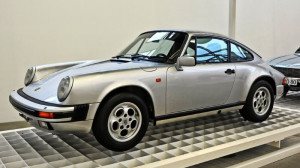
The Porsche 911 Spirit 70 is a special sports car that brings back one of the most famous interior patterns ever used in performance vehicles. It mixes modern design with a strong connection to the past. The return of the Porsche Pasha pattern also plays a big role in shaping the identity of this car.
This blog will explain everything about the Porsche 911 Spirit 70 design.
Must Read: 2026 Porsche 911 GT3 R Features, Performance, and Design
Porsche 911 Spirit 70 Design Inspired by a Classic Era
The Porsche 911 Spirit 70 design clearly draws inspiration from an earlier time in automotive culture. During those years, sports cars did not always follow the quiet and minimal look that many vehicles follow today. Instead, designers often experimented with bold details, expressive graphics, and interior patterns that created a sense of personality.
This edition follows that idea. The shape of the car still keeps the well-known sports coupe silhouette. The long front section flows smoothly toward the roofline. The rear stays compact and muscular. These proportions are familiar to enthusiasts because they have been part of the design language for decades.
However, this model adds subtle touches that connect it to its heritage theme. Carefully placed graphics appear across the body. They are not loud or overwhelming, but they clearly hint at an earlier design era. The graphics help give the car a personality that goes beyond the standard appearance.
Porsche 911 Spirit 70 Interior Brings Back the Porsche Pasha Pattern
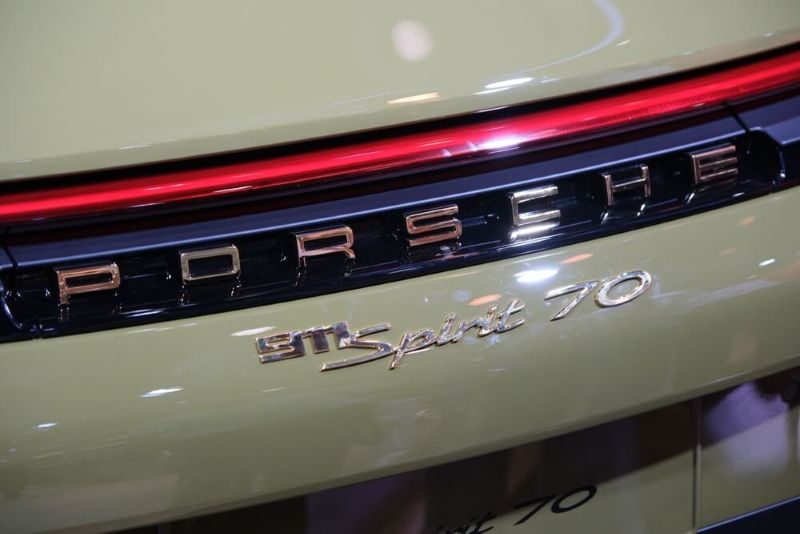
The cabin is where the design story becomes much stronger. The Porsche 911 Spirit 70 interior focuses heavily on visual character. And this is exactly where the Porsche Pasha pattern returns.
The pattern itself is quite distinctive. It uses geometric shapes that appear almost like a moving wave when viewed from different angles. In earlier sports cars, this design became famous because it created a sense of movement. Even when the vehicle was standing still, the interior looked energetic.
Inside this modern sports car, the pattern appears mainly on the seats and selected interior areas. It becomes one of the first things people notice when the door opens.
The seats combine patterned fabric with solid materials. This approach keeps the cabin balanced. If the pattern appeared everywhere, the interior might feel overwhelming. By placing it in specific areas, the design team keeps the focus where it matters most.
The dashboard layout follows a driver-focused design. Controls are placed within easy reach, allowing drivers to operate features without losing concentration on the road. The arrangement feels clean and practical.
One interesting detail appears in the instrument display. Even though the system uses modern digital technology, the visual style takes inspiration from traditional gauges. The layout, markings, and display theme remind drivers of classic sports car dashboards.
Lighting also plays a quiet but important role. At night, the instrument cluster and cabin lighting create a soft glow. The effect makes the interior feel warm and comfortable instead of overly technical.
Material quality across the cabin also stands out. Surfaces feel solid and well finished. The combination of textures gives the interior depth without making it feel crowded.
The return of this famous pattern proves something important. Automotive design trends often return in new forms. When they are used carefully, they can still feel relevant many years later.
Porsche Limited Edition 911 Celebrates Automotive Heritage
The Porsche limited edition 911 represents more than just a styling change. Special editions usually carry a deeper meaning within automotive culture. They celebrate certain moments, ideas, or design themes that shaped the history of a vehicle.
This edition focuses strongly on visual heritage. It highlights a design idea that once defined the interior atmosphere of sports cars from an earlier time.
Limited editions also give designers a chance to explore ideas that may not appear in standard production models. Designers can experiment with patterns, textures, and visual themes without worrying about making the design too unconventional for everyday buyers.
Key Highlights from the Porsche 911 Spirit 70 Review
Several points often appear in discussions within a Porsche 911 Spirit 70 review. These highlights explain why the model has created interest among enthusiasts and design followers.
1. Heritage Styling That Feels Genuine
One of the strongest aspects of this car is how naturally the retro design elements blend with the modern structure. Nothing feels forced. The graphics, interior pattern, and small details appear as if they always belonged to the vehicle.
2. Interior Character That Immediately Stands Out
The cabin becomes the most memorable part of the experience. The patterned upholstery draws attention right away, while the clean dashboard layout keeps everything organized. This combination gives the interior personality, something that many modern sports cars sometimes lack.
3. Classic Inspiration With Everyday Usability
Even though the design draws heavily from earlier decades, the car still supports modern driving comfort. Seating position, instrument visibility, and cabin layout make the vehicle practical for everyday use while still keeping the heritage atmosphere alive.
Elements That Define the Porsche 911 Spirit 70 Design
The top elements that define the Porsche 911 Spirit 70 design are explained in the following list:
1. A Distinct Visual Identity
The car develops its unique visual style with its use of graphics, interior patterns, and heritage cues. Instead of blending into the background, the car’s design is quite noticeable, almost at a glance.
2. Patterns in the Interior That Suggest Movement
The geometric pattern in the upholstery has an interesting optical effect. The moment you look at the pattern, it seems to change slightly with the way it is looked at. It gives a subtle suggestion of movement.
3. Heritage Cues That Add Deeper Meaning
There are small cues throughout the car’s interior that add to the heritage or historical theme of the car. Special badges, trim pieces, and design cues are used to subtly evoke the time period that the car’s design is meant to represent. These small details can add to the character of the car.
Conclusion
The Porsche 911 Spirit 70 is an example of the classic design concept that is used in modern-day sports cars. The car’s use of the classic design pattern in its interior is a nod to the classic style that continues to influence modern car designs.
Frequently Asked Questions
1. What makes the Porsche 911 Spirit 70 unique?
The model stands out because it reintroduces a historic interior pattern while combining it with modern sports car design. This mix creates a distinctive visual identity.
2. What is the Porsche Pasha pattern?
The Porsche Pasha pattern is a geometric interior design that creates the impression of movement.
3. What defines the Porsche 911 Spirit 70 interior?
The interior highlights patterned seats, a driver-focused dashboard layout, and classic-inspired instrument styling. These features create a cabin that feels both nostalgic and modern.
Featured Video
The fastest Porsche 911 ever made | Turbo S
The Porsche 911 has a turbo boost button but you only have 20 seconds...
Comment using Facebook