« Articles
Porsche Active Suspension Management Explained For You

If you’ve ever wondered why driving a performance car sometimes feels like the car is glued to the road, it’s usually got a lot more going on than just a big engine. The real magic is in the suspension—especially when you’re moving fast.
That’s where Porsche Active Suspension Management (PASM) comes in. It isn’t just a bullet point on a spec sheet. This system is at the heart of what gives a Porsche its character. It adapts to you—smooth for comfort, firm for control. Let’s break down how this system works and why it matters so much, often more than people realize.
Porsche Active Suspension Management
When people talk about Porsche’s handling, PASM is often right there in the conversation. It’s this subtle, behind-the-scenes tech that controls how the car rides, corners, and sticks to the road.
What is the PASM system explained
At its core, PASM is an adaptive suspension system. It constantly tweaks the stiffness of the shock absorbers based on what’s happening as you drive.
Here’s what that means:
- Cruising down a smooth highway? The suspension softens for comfort.
- Hit a twisty road? It firms up to keep the car tight and flat through corners.
And all of this happens automatically. You won’t even notice the system doing its thing—but you will notice how the car always feels like it gets what you want out of it.
How the system actually works in real driving
Here’s where it gets clever.
There are sensors all over the car that keep track of:
- How each wheel is moving
- What you’re doing with the steering wheel
- How hard are you braking
- How fast are you going
- What kind of road are you on
The PASM computer collects all this info and instantly adjusts each damper separately. Each wheel responds to what it’s dealing with. On rough roads, that’s a lifesaver. You don’t get knocked around nearly as much.
Also Read: Inside Porsche Engineering Redefining Luxury Performance
How Porsche Ride Control Enhances Driving Experience
Numbers and sensors are great for engineering, but the real test is what it feels like behind the wheel.
Comfort and control working together
Most cars make you choose: cushy comfort or sharp handling. Porsche doesn’t make you pick. With PASM, you get both depending on what’s going on.
On the highway, the system relaxes to soak up bumps. You don’t roll out of the car feeling beat up. But take a corner at speed, and the whole car tightens up—just enough to stay flat and confident. You never really notice the transition. It just feels right.
Driving modes that change the personality
Most Porsches have drive modes you can pick. Flip to Normal mode for the daily grind, Sport for a little more bite, or Sport Plus if you want to feel like you’re at a track day. When you change modes, PASM gets more aggressive.
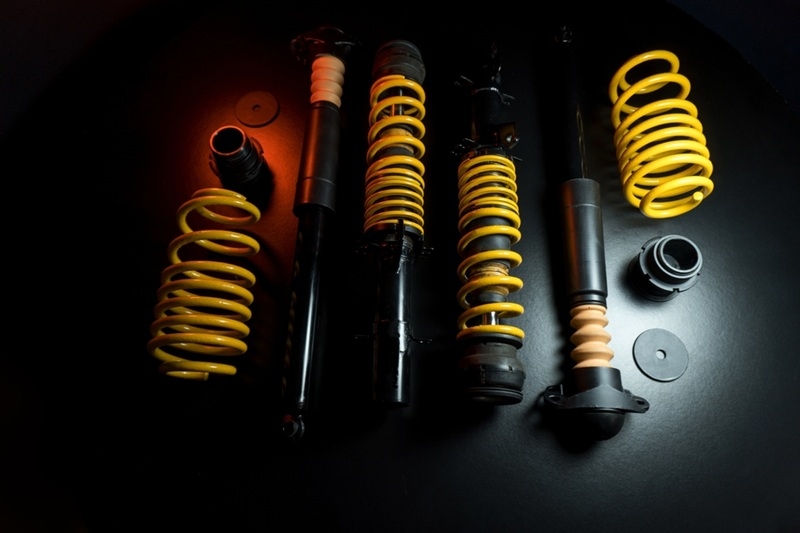
Sports Suspension Tech That Makes The Difference
So why bother with all this tech when regular suspension has worked for decades?
Traditional suspension vs adaptive suspension Porsche
Old-school suspension stays the same all the time. Engineers had to set it up with their best guess at a compromise. But really, no one road or driver is the same every day. PASM doesn’t have to compromise; it’s always adjusting, always ready. If you swerve or hit a rough patch, the car just sorts itself out.
Why real-time adjustment matters
Imagine you’re cornering and hit a pothole. In most cars, you feel the whole car shudder and maybe lose a little grip. With PASM, the system reacts in the blink of an eye. The dampers stiffen or soften exactly where you need them, helping keep the tire pressed into the pavement. More grip, more confidence.
Suggested Reading: 2026 Porsche Models Guide: What's New And Worth It
Porsche Handling System And Cornering Stability
Cornering is where Porsche vehicles really shine. And a big part of that comes from how the suspension works with the rest of the car.
How PASM improves cornering performance
This system really earns its keep in the corners. When you lean into a turn, the car wants to roll toward the outside edge. PASM stiffens the outer shocks, holds the body flatter, and gives you:
- Better contact with the road
- Sharper steering
- Predictable, steady handling
It’s more than just taking a corner fast—it’s about giving you total control.
Integration with other Porsche technologies
PASM doesn’t work in a bubble. It syncs up with Porsche Stability Management, torque vectoring, and even electronic differentials. Throw all those in the mix, and you get a car that juggles braking, power, and suspension so everything works together. You just enjoy the drive.
Adaptive Suspension Porsche In Everyday Driving
Of course, not every Porsche is chasing lap times. Most people use them to get to work or run errands, too.
Is PASM useful for daily commuting
Absolutely. City roads can be a mess, but PASM smooths out rough patches, potholes, you name it. It reacts fast enough that bumps don’t beat you up, but you still feel connected—not like you’re floating above the street.
Fuel efficiency and long term benefits
Here’s something you might not realize: a well-managed suspension can improve efficiency. By keeping tires pressed to the road and minimizing wasted energy, the car runs smoother. You burn less fuel, and your tires and suspension components last longer. Nothing flashy—just better wear and happier driving in the long run.
Is Porsche Active Suspension Management Worth It
So, is this an option you really need? For most drivers, yeah, it’s worth it. If you care about comfort, or if you get a kick out of a winding road now and then, PASM sweetens the experience. It’s not just for pro racers.
It’s the kind of system you stop thinking about once you have it—until you drive a car without it, and then you really notice what’s missing.
Don't Miss: Porsche PCM Problems: Radio Reset and Profile Issues Guide
Conclusion
Porsche Active Suspension Management isn’t just technical bragging rights. It’s a big part of why these cars feel so good on the road—calm when you want it, dialled-in when you need it, always adapting. Whether you’re just commuting or enjoying a mountain road, PASM is doing its job quietly in the background, making every drive feel just right.
FAQs
Does PASM increase maintenance costs over time?
PASM parts are more advanced than standard suspension, so repairs cost more. But these systems are built to last. With regular maintenance and decent roads, they don’t usually cause trouble.
Can PASM be turned off completely?
Not exactly. You can switch between driving modes that adjust how the system behaves, but PASM itself always remains active. It’s designed to continuously support stability and safety.
Is PASM available on all Porsche models?
Most modern Porsche models offer PASM either as standard or optional equipment. Availability may vary depending on the model and trim, so it’s always worth checking specific configurations.
Does PASM affect resale value?
Yes, it can. Cars equipped with advanced features like Porsche active suspension management often hold better resale value because buyers recognize the added performance and comfort benefits.
Featured Video
The fastest Porsche 911 ever made | Turbo S
The Porsche 911 has a turbo boost button but you only have 20 seconds...
Comment using Facebook