« Articles
Porsche Flagship Models Expand Beyond 911 and Cayenne

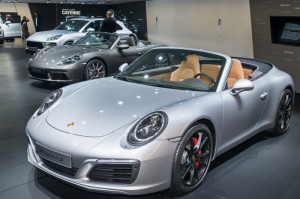
For years, Porsche felt easy to define. The 911 sat at the center — fast, expensive, instantly familiar. The Cayenne became the money-maker, proving an SUV could still carry a sports car badge without feeling strange. But now, Porsche seems ready to stretch higher. Not wider. Higher.
The company is reportedly planning vehicles that sit above both the 911 and Cayenne, which says a lot about where luxury performance is heading. Buyers want rarity, bigger statements, and unusual shapes. Porsche knows this. So instead of protecting old limits, it may be quietly moving beyond them.
Some fans will hate the idea. Others already want one. In this blog, we will look at Porsche’s next move, possible new models, the Porsche K1 SUV, plus what these future flagships could mean for buyers and the brand itself.
Why Porsche Flagship Models are Moving Beyond Tradition
The idea of Porsche flagship models changing shape is not random. The market shifted. Luxury buyers are spending more than ever on limited cars, high-performance SUVs, and ultra-premium machines that feel harder to get.
For Porsche, the 911 has always been the emotional center. Yet it also has limits. The car cannot endlessly grow in size, price, or complexity without upsetting loyal fans. So the smarter move seems obvious — create something above it.
How Porsche Flagship Cars Could Change the Brand
The phrase Porsche flagship cars usually points to the most important or most expensive vehicles in a Porsche lineup. Right now, buyers often think of the 911 Turbo or Cayenne Turbo GT. But that picture may not stay fixed.
A new top-tier model changes how people view the entire company. It works almost like a halo product. Even buyers who never own one still feel connected to it.
Luxury brands have played this game for ages. They roll out a top-of-the-line car, and just like that, all their smaller models seem a little more special. It’s a clever move — you get that aura of exclusivity without messing with the cars most people actually buy. And yeah, charging sky-high prices doesn’t hurt the bottom line, either.
But Porsche can’t just push the envelope forever. Go too far, and fans start wondering if they’re even looking at a real Porsche anymore.
Why Luxury Buyers Want More Exclusive Performance Cars
Luxury buyers no longer chase only horsepower. Speed matters, sure, but uniqueness matters more now.
People shelling out for these high-end models don’t just want any car. They want something rare — a limited run, not one you’ll see at every stoplight. They want to choose their own finishes, tech features that outdo their friends, and comfort that doesn’t come at the expense of speed.
Porsche appears to understand this very well.
What We Know About the Porsche K1 SUV
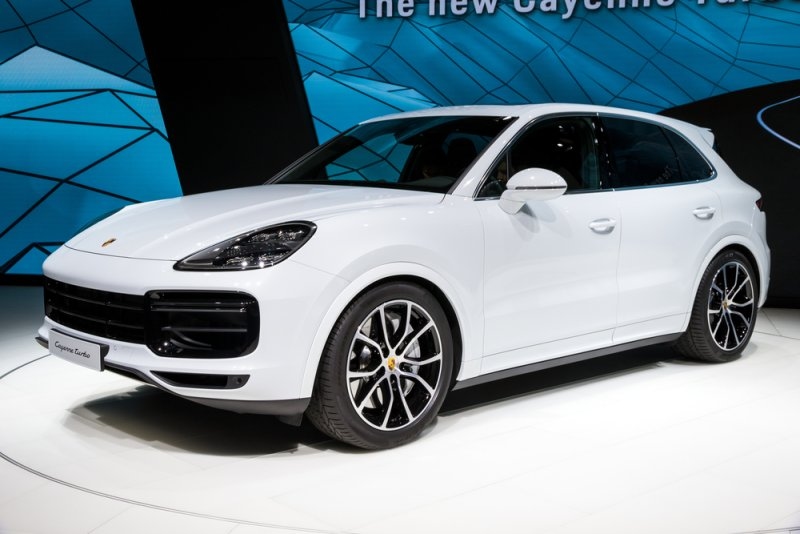
The rumored Porsche K1 SUV could become one of the brand’s biggest bets in years. It is expected to sit above the Cayenne, which already sounds unusual because the Cayenne is not exactly small or cheap.
Early expectations suggest a large luxury SUV with three rows, advanced technology, plus a stronger focus on premium comfort. Yet Porsche reportedly still wants performance to remain central. That balancing act may decide whether buyers love it or dismiss it.
Why The Porsche K1 SUV Could Matter More Than Expected
The SUV market changed luxury brands completely. Years ago, many performance companies resisted SUVs. Then demand exploded.
Porsche benefited heavily from this shift. The Cayenne helped transform the company financially, followed later by the Porsche Macan.
The Porsche K1 SUV may simply be the next step.
Could the Porsche K1 SUV Challenge Ultra Luxury Rivals
If Porsche positions this SUV high enough, competition becomes interesting.
It may sit close to vehicles that focus heavily on prestige and comfort, yet Porsche will likely lean harder into handling and performance. That could become its biggest advantage.
Why Porsche Needs a True Porsche Flagship SUV
The term Porsche flagship SUV sounds strange at first because many still connect Porsche with low sports cars rather than tall family vehicles.
Yet SUVs pay the bills now. That reality is hard to ignore.
More Luxury Without Hurting the Cayenne Identity
The Porsche Cayenne already works because it balances luxury and sportiness. But there comes a point where adding more size, more premium materials, or extra seating changes the vehicle too much.
A separate Porsche flagship SUV solves that issue neatly. The Cayenne stays familiar while the new model stretches upward.
A Better Position in the Growing Premium SUV Market
Luxury SUV buyers continue spending aggressively. Large premium SUVs remain strong because they solve practical problems while still feeling aspirational.
Families want comfort. Executives want presence. Some buyers just want the biggest and best thing a brand makes. Porsche likely sees demand sitting there already.
Could a Porsche Supercar Above 911 Actually Work
The most fascinating rumor may be the idea of a Porsche supercar above 911. That sounds exciting but also risky. The 911 carries decades of history. Building something higher could upset purists who think the 911 should remain the peak Porsche experience.
Cars like the Carrera GT and 918 Spyder proved buyers are willing to spend serious money on limited, extreme machines. So this would not exactly come out of nowhere.
Nobody knows the exact details yet, but possibilities are easy to imagine.
Look at the latest luxury market trends, and it’s clear: cars are status symbols — maybe even more than they used to be.
Imagine what a future Porsche supercar sitting above the 911 could look like. Advanced hybrid systems, wild aerodynamics, and just a handful rolling off the assembly line. Price tag? Way higher than any 911. Honestly, collectors would be lining up before Porsche even starts shipping.
Conclusion
Porsche seems to be entering another transition period. The company built its success by protecting tradition while quietly changing underneath it. First SUVs, later electric models — both controversial at first. Now the conversation shifts higher. Bigger ambitions. More expensive products. More separation between entry luxury and true flagship territory.
FAQs
Is Porsche going to keep chasing electric cars as it builds out its flagship models?
For sure. They’re deep into electric and hybrid tech, so new flagship cars will probably mix electrified speed with serious luxury, not just stick with gas. Future models may also push performance and efficiency much harder.
What about the resale value of Porsche cars?
Sometimes a new flagship pulls attention away from other models — but the 911 always has its loyal fan base. In fact, limited-run, top-tier Porsches often make the whole brand look even stronger over time and help boost collector interest, too.
So why do luxury brands keep making bigger, fancier cars?
Simple. Buyers want more space, the flashiest tech, plus everyday practicality — but they still want that sense of exclusivity and performance. Bigger luxury vehicles also help brands attract wealthier buyers looking for comfort without compromise.
Will we see more limited-edition Porsches?
Almost certainly. Porsche loves creating buzz with rare models, and collectors love chasing them. That’s not changing anytime soon, especially as demand for exclusive performance cars keeps growing around the world.
Featured Video
The fastest Porsche 911 ever made | Turbo S
The Porsche 911 has a turbo boost button but you only have 20 seconds...
Comment using Facebook