« Articles
Porsche Driving Experience in USA for Memorable Drives


There’s owning a car, and then there’s actually driving it the way it was meant to be driven. That’s a whole different story. In the US, Porsche has turned driving into something more personal—less about the shiny machine in a showroom, and way more about the adrenaline rush you get behind the wheel. You’re not just admiring a polished sports car and snapping photos. You’re gripping the wheel, hitting corners, figuring out braking points, messing up here and there, and then adjusting as you go. It’s controlled chaos—fast, but strangely calming once you find the rhythm.
Let’s get into what the Porsche Driving Experience is like in the US. We’ll cover driving schools, track days, how booking works, and what actually goes down once you put on that helmet.
Why The Porsche Driving Experience Feels Different
The Porsche driving experience in the USA is not built like a regular luxury test drive. It feels more like an event mixed with coaching. You drive actual Porsche models on proper circuits, handling areas, braking zones, wet surfaces — depending on the package selected.
Different Cars Change The Entire Feeling
Choosing a model changes the whole experience. A 911 behaves differently from a Cayman. SUVs like the Porsche Cayenne feel powerful but balanced; meanwhile, Taycan gives a very different kind of speed — quiet, sudden, almost strange at first.
Some drivers arrive expecting pure speed. Then leave, talking about control instead.
Trying a Porsche Driving School in The USA
For people wanting more than one exciting lap, joining a Porsche driving school in the USA makes sense. It is less about showing off and more about skill. Drivers learn braking, corner lines, steering input, plus basic race-track discipline.
Beginner Sessions Feel Less Intimidating Than Expected
A lot of first-timers assume these schools are only for racing people. Not really. Instructors explain things in plain language. Where to brake. When not to panic. Why smooth movement matters more than aggression.
Mistakes happen constantly — oversteering, late braking, hesitation. Nobody seems shocked by it.
Advanced Coaching Pushes Confidence Further
More experienced drivers usually spend time improving track rhythm. Precision starts mattering. Tiny steering corrections. Better exits from corners. Faster reaction timing.
You begin noticing small gains rather than dramatic ones.
A Porsche Sport Driving School Review from Real Experiences
Reading a Porsche Sport Driving School Review before booking helps because expectations vary wildly. Some people expect nonstop racing. Others think it will feel too controlled. Truth sits somewhere in the middle.
If you talk to folks who’ve done these programs, three big points always come up:
- The coaching is practical. It’s not just theory or jargon—the instructors catch your mistakes, tell you exactly what went wrong, and, in a way, make improving feel pretty natural.
- The cars stick with you. People often say they finally understood what separates owning a sports car from actually driving one hard on a track.
There’s also a buzz around new Porsche centers popping up across the States. It’s not just a trend—it’s really catching on.
Finding the Best Porsche Track Day Events
Searching for the best Porsche track day events can feel confusing because options vary by region, experience level, and even budget. Some are formal Porsche-hosted sessions, while others happen through clubs and enthusiast groups.
Not every event feels identical. Some focus heavily on coaching. Others lean toward social driving experiences with track access.
Club Events Bring a Different Energy
Porsche community events often feel surprisingly relaxed. Owners gather, compare cars, swap stories — sometimes over coffee before Porsche engines even start.
There is excitement, sure, but also patience. New drivers are usually welcomed instead of judged.
Premium Track Experiences Feel More Structured
Official driving events usually follow tighter schedules. Briefings happen first. Safety instructions matter. Coaches stay involved throughout the experience.
That structure helps nervous drivers settle in faster. Less guessing.
How to Book a Porsche Driving Experience Without Confusion
Many people delay because they are unsure how to book a Porsche driving experience in the USA. The process is easier than expected, though availability changes depending on season or location.
Booking Early Usually Helps
Popular weekends disappear quickly. Especially if specific Porsche models are involved. Sports cars with strong demand tend to fill faster than expected.
Last-minute bookings happen too — but flexibility helps.
Things Worth Checking Before Booking
Before you book, there are a few things to know:
- Check what driver’s license you’ll need—it sometimes changes based on your age or the program.
- Weather can change plans, especially for outdoor tracks or special driving sessions—so don’t be shocked if things shift around.
- Car availability moves fast. That exact Porsche you wanted? Not always guaranteed, so keep an open mind.
Spending a minute reading the fine print can save you some headaches later.
Knowing What to Expect at a Porsche Track Event
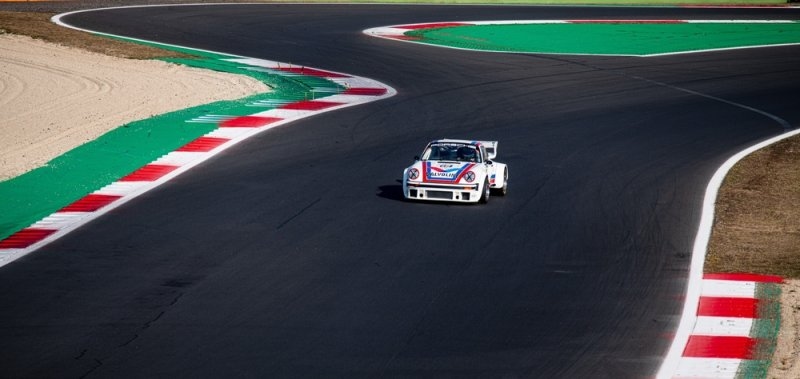
Understanding what to expect at a Porsche track event removes a lot of uncertainty. Many first-time participants imagine something aggressive or competitive. Usually, it feels more controlled than that.
The day often starts slowly. Registration, short introductions, safety talks. Then, instructors explain driving basics before track sessions begin.
Professional coaching stays central through most events. Instructors watch habits carefully. Sudden braking, poor steering, hesitation entering corners — these get corrected quickly.
Final Thoughts
One thing’s clear: a day at one of these Porsche events sticks with you. Sure, it’s pricey, but if you love cars, it just makes sense. All those stats on paper—horsepower, top speed—they fade into the background. Suddenly, you care more about how the car steers, where the balance sits, and how it feels at the limit.
Some people try these events once for the fun of it. A lot of them end up coming back because, honestly, one go usually isn’t enough. Whether it’s a full driving school, a track event, or just a quick drive package, these experiences leave a mark—and not just because the cars are fast. It’s the way you end up driving them that matters most.
FAQs
Do you need sports car experience beforehand?
No. Most programs are totally beginner-friendly. Instructors break things down simply and tailor everything to your skill level. Even nervous newcomers get comfortable fast, since you never go it alone.
Can you drive a Porsche if you don’t own one?
Absolutely. You don’t need to own a Porsche to try most experiences in the US. You just pick your model when you book, and you’ll drive it with an instructor coaching you the whole time.
Is a Porsche driving day a good gift?
Definitely, these make awesome gifts for car fans or big life events—birthdays, anniversaries, retirements. Driving a Porsche around a track sticks with you way more than most gifts do.
What should you wear to a Porsche driving session?
Keep it simple and comfortable. Closed shoes with good grip are best, and loose, practical clothes help you move around easily in the car—especially if you’re driving in the heat or for longer sessions.
Featured Video
The fastest Porsche 911 ever made | Turbo S
The Porsche 911 has a turbo boost button but you only have 20 seconds...
Comment using Facebook