« Articles
Porsche Maintenance Cost in USA and Ways to Lower Expenses


Buying a Porsche feels like a big moment. The way it handles, the power, the build quality—there’s just something different about it. But here’s where reality sets in: maintaining a Porsche takes more effort (and money) than a lot of people expect. It’s not that these cars fall apart easily. The real challenge? Routine service, the price of high-end parts, and the fact that you need trained mechanics who know what they’re doing.
This doesn’t mean maintenance costs will bury you. If you pay attention—know the recommended services, keep track of when they’re due, and pick decent service shops—you can keep things under control in the long run. Here, we’ll break down what to expect for Porsche maintenance costs, typical services, yearly routines, and smart ways to keep your wallet from hurting too much.
Understanding Porsche Maintenance Cost in the USA
The average Porsche maintenance cost in the United States typically falls between $1,000 and $2,500 per year for routine ownership. Some years may be cheaper, while major service years can cost significantly more.
A Porsche 911, Cayenne, Porsche Macan, or Panamera will not have identical maintenance needs. Larger engines, performance brakes, air suspension systems, and advanced electronics can increase expenses quickly.
You’ll run into the usual basics:
- Oil and filter changes
- Brake fluid service
- Tire checks (and eventually new tires)
- Air and cabin filter swaps
- Spark plug replacements
- Multi-point inspections
It’s tempting to skip a scheduled service, thinking you’ll save a few bucks.
How Much Does Porsche Maintenance Cost in the USA for Different Models?
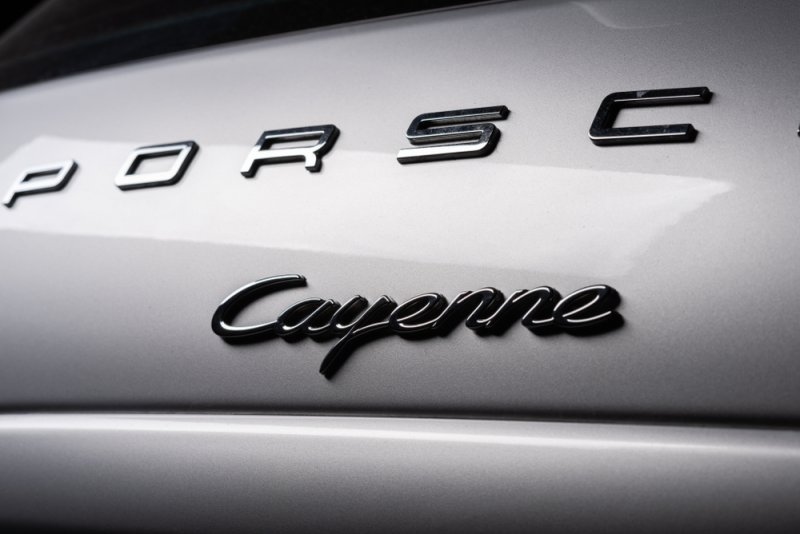
When people ask how much Porsche maintenance costs in the USA, the answer depends heavily on the model sitting in the garage. The Porsche Macan is usually one of the least expensive models to maintain. Annual costs often range between $1,000 and $1,800 during normal ownership years. The Cayenne generally falls between $1,200 and $2,500 annually.
People usually think the Porsche 911 is expensive and difficult to maintain, but honestly, it’s not as bad as you’d guess. Most owners pay between $1,500 and $2,500 a year for routine upkeep. Sure, if you need a big repair, costs shoot up—but regular maintenance stays in that range.
Following the Porsche Annual Service Schedule Matters
Sticking to Porsche’s recommended service schedule makes a big difference. They call for a service every 10,000 miles, or once a year—whichever comes first. If you’re driving one of their top-end performance Porsche flagship models, you’ll probably need to go in more often.
What Happens During Yearly Service Visits
So, what actually happens during the annual visit? Mechanics swap the oil and filter, check the tires, look for leaks, inspect safety features, and hunt for any worn-out parts.
Many owners view this appointment as just another oil service. It is more than that. Small problems often get spotted during inspections before they become major repairs.
Major Service Milestones
Every few years, additional maintenance items are added. These may include spark plugs, brake fluid replacement, transmission fluid service, air filters, and more extensive inspections.
Major services often cost between $1,500 and $4,500, depending on the model and whether the work is completed at a dealership or an independent shop.
Breaking Down Porsche Oil Change Cost
One of the most common questions from owners involves porsche oil change cost. Unlike many standard vehicles, Porsche engines often require large quantities of premium synthetic oil. The labor costs run high, too, mostly because servicing a Porsche takes special know-how.
An oil change for a Porsche usually costs between $200 and $600. Dealers sit at the high end of the scale, but independent shops sometimes charge less.
For example, you might pay $180 to $450 for oil service on a Macan, while a 911 or GT model often costs over $600 due to the bigger oil capacity and extra inspection steps.
Comparing Porsche Dealer vs Independent Mechanic Options
The debate between a Porsche dealer and an independent mechanic never really ends. Both options have strengths.
Benefits of Porsche Dealership Service
Dealers have technicians trained by Porsche, plus direct access to manufacturer support and the latest updates. If your Porsche is still under warranty, dealer service is the safest bet—especially if you want to keep the resale value up, since a full dealer maintenance record looks good to buyers.
The downside is simple — higher labor rates.
Benefits of Independent Porsche Specialists
A qualified independent Porsche specialist can often perform the same maintenance using OEM-quality parts while charging 20% to 30% less than a dealership. Some owners report even larger savings over time.
Experienced independent shops frequently work on older Porsche car models every day. In some cases, they may actually have more hands-on experience with specific generations than dealership technicians.
Practical Ways on How to Reduce Porsche Ownership Costs
Every Porsche owner eventually asks how to reduce Porsche ownership costs without compromising reliability. Fortunately, several strategies actually work.
Stay Ahead of Maintenance
The cheapest repair is usually the one you never need. It just makes sense to follow Porsche’s maintenance intervals. You catch leaks, worn parts, and fluid issues before they turn into expensive surprises. Putting off regular service rarely saves you money in the long run.
Use Independent Specialists When Appropriate
Once warranty concerns are no longer a factor, a trusted Porsche specialist can reduce annual maintenance expenses significantly. Just make sure the shop specializes in Porsche vehicles and uses quality OEM parts.
Conclusion
Yes, owning a Porsche costs more than your average ride, but it’s not as scary as people make it sound. Most folks shell out between $1,000 and $2,500 a year for regular maintenance. Maybe more if something major comes up. The bulk of the cost comes from oil changes, brakes, tires, and fluid swaps.
The trick is to stay ahead. Stick to Porsche’s service schedule, find mechanics who actually know these cars, sort out little problems fast, and keep a solid record of what you’ve done.
FAQs
Is Porsche Maintenance Covered Under Warranty?
The basic factory warranty only deals with actual problems in materials or how the car was built. It doesn’t usually pay for regular things like oil changes or new tires. Unless you buy a prepaid maintenance plan, those everyday costs are up to you.
Are Porsche Parts More Expensive Than Other Luxury Brands?
A lot of the time, yes. Porsche parts are built for serious performance, and you pay extra for that. Prices change depending on the model, though. Some parts are right in line with other top European brands, but a few are pricier.
How Long Do Porsche Brakes Usually Last?
It depends on how and where you drive. Some people get 30,000 to 50,000 miles out of their brake pads, but if you drive hard, you’ll wear them down faster. Getting the brakes checked regularly helps you avoid surprises.
Does a Porsche Need Premium Fuel All the Time?
Pretty much, yes. Most Porsches are tuned for premium gas. If you use regular, you lose power, your engine won’t run as well, and you might do some harm—especially if your car has a turbo. Just use the premium stuff.
Featured Video
The fastest Porsche 911 ever made | Turbo S
The Porsche 911 has a turbo boost button but you only have 20 seconds...
Comment using Facebook