« Articles
Porsche 718 Cayman vs BMW M4: A Detailed Comparison Guide


Dropping six figures on a high-performance coupe without checking the mechanical trade-offs is a fast way to end up with buyer’s remorse. You either want a scalpel-sharp mid-engine chassis for canyon carving or a twin-turbo highway missile that can still swallow two sets of golf clubs. Stop relying on spec-sheet bench racing. This Porsche 718 Cayman vs BMW M4 breakdown exposes the engineering realities, handling limits, and daily usability of both German machines so you don't buy the wrong weapon.
Must Read: How Does 2025 Porsche 911 GT3 Redefines Speed and Precision
Understanding the Importance of the Sports Car Buying Guide
Walking into a dealership blind usually means getting sold on flashy marketing trim instead of actual mechanical hardware. A proper sports car buying guide cuts through the brochure noise by looking at curb weight, power-to-weight ratios, and suspension geometry. These metrics dictate whether a car feels alive in your hands or drives like a numb, over-assisted computer.
Real-world ownership also comes down to daily friction points that spec sheets ignore entirely. You need to know how a car handles potholes, steep driveway inclines, and stop-and-go heat soak before signing a financing agreement. Evaluating these practical realities early stops you from burning tens of thousands of dollars on a track-focused vehicle that tortures you on your morning commute.
BMW M4 vs Porsche Cayman: Understanding the Key Differences
Comparing the BMW M4 vs Porsche Cayman comes down to layout philosophy: front-engine muscle against mid-engine balance. Review the hard specifications below to see where each chassis draws the line.
| Feature / Metric | Porsche 718 Cayman (Base / GTS 4.0) | BMW M4 (Competition / xDrive) |
|---|---|---|
| Engine Layout | Mid-engine, Rear-wheel drive | Front-engine, RWD or All-wheel drive |
| Powertrain | 2.0L Turbo Flat-4 / 4.0L Naturally Aspirated Flat-6 | 3.0L Twin-Turbo Inline-6 (S58) |
| Horsepower | 300 hp (Base) / 394 hp (GTS 4.0) | 473 hp (Base) / 503–523 hp (Competition) |
| Curb Weight | Roughly 3,030–3,200 lbs | Roughly 3,830–3,980 lbs |
| Transmission | 6-speed Manual / 7-speed PDK | 6-speed Manual / 8-speed M Steptronic |
| Practicality | 2-seater; front trunk ("frunk") + rear hatch | 4-seater; usable rear seats + large trunk |
| Feature / Metric | Porsche 718 Cayman (Base / GTS 4.0) | BMW M4 (Competition / xDrive) |
How Does a Sports Car Comparison Help People in Making Their Decisions?
Running a structured sports car comparison stops you from falling for horsepower inflation. Looking at the raw data helps you align a vehicle's engineering limits with your actual driving environment.
1. Exposes the Weight Tax
High horsepower numbers look impressive until you factor in curb weight. Comparing actual tonnage shows you why a lighter car often changes direction faster than a heavier car with more engine output.
2. Reveals Consumable Costs
Heavy cars chew through brakes and rubber at double the rate of lightweight platforms. Side-by-side data highlights which vehicle is going to empty your wallet at the track tire shop.
3. Clarifies Usable Cabin Space
A two-seat cockpit feels claustrophobic if you regularly haul luggage or friends. Evaluating interior dimensions early confirms whether you actually need a second row of seats.
4. Maps Out Depreciation Curves
Naturally aspirated engines and manual transmissions hold value differently than twin-turbo automatics. Comparing historical resale data protects you from taking an absolute bath when you eventually trade it in.
What Can Impact the Porsche 718 Cayman Performance?
The mid-engine layout gives the Cayman an unfair handling advantage, but outside factors can choke its potential. Keep a close eye on these mechanical bottlenecks if you want maximum Porsche 718 Cayman performance on a twisty road.
1. Tire Temperature and Compound
That lightweight mid-engine chassis relies heavily on sticky rubber to rotate cleanly. Running cold street tires or worn-out tread causes instant understeer when you pitch the nose into a sharp apex.
2. Heat Soak in Turbo Models
The 2.0-liter and 2.5-liter four-cylinder turbo engines generate serious engine bay heat. Push the car hard in hot weather without proper airflow, and the ECU will pull timing to save the motor.
3. Suspension Alignment Specs
Factory Porsche alignment settings are built for tire longevity, not maximum cornering grip. Adding a bit of negative camber transforms turn-in bite without ruining straight-line stability.
4. Brake Pad Compound
Factory road pads fade fast under heavy circuit use. Upgrading to a dedicated high-temp track compound keeps your stopping distance consistent after ten hard laps.
Why Do People Love the BMW M4 Performance During Long Rides?
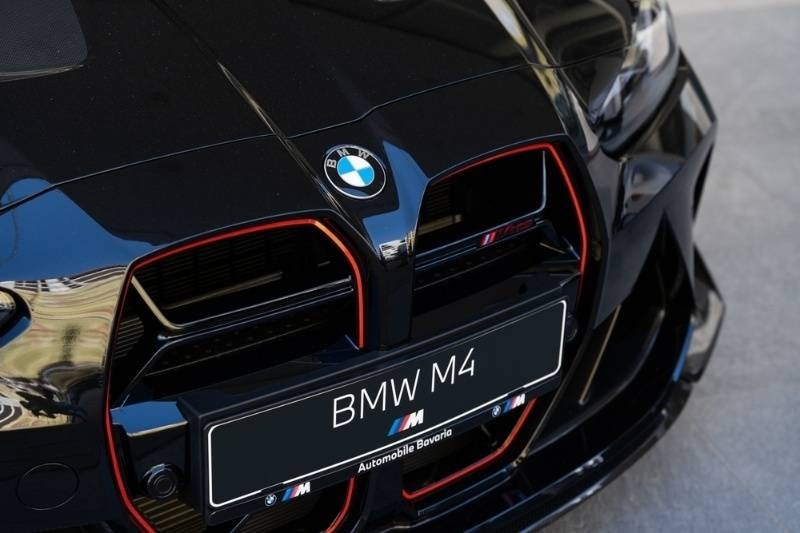
While lightweight sports cars punish you on road trips, the M4 acts as a high-speed highway cruiser. That blend of brute force and cabin luxury is what defines BMW M4 performance on extended road journeys.
1. Effortless Highway Passing
That S58 twin-turbo inline-six makes massive torque down low in the rev range. You never need to downshift three gears just to pass slow traffic on an incline.
2. Adaptive M Suspension
Switching the dampers into comfort mode absorbs broken pavement and expansion joints smoothly. You get sharp track-ready damping when you want it without enduring a bone-shattering ride on the interstate.
3. Real Cabin Seating
Having a legitimate rear seat and a cavernous trunk means you never have to pack light. You can carry suitcases, camera gear, and two passengers without stacking bags on your lap.
4. Acoustic Insulation
Thick glass and heavy sound-deadening block out tire drone and wind roar at speed. You can actually hold a conversation or listen to audio without shouting over road noise.
Conclusion
Choosing the winner of this performance car comparison comes down to what you expect from a steering wheel. If you want a scalpel-sharp track instrument that rewards momentum and chassis balance, the Porsche 718 Cayman is the superior driving tool. If you need an everyday supercar killer that delivers brutal twin-turbo acceleration, weekend road-trip comfort, and four-seat utility, the BMW M4 takes the crown.
Therefore, this Porsche 718 Cayman vs BMW M4 guide is exactly what you need to make your decision.
Frequently Asked Questions
What to choose between the Porsche 718 Cayman and BMW M4 for daily driving?
If this is your only car, the BMW M4 wins on raw convenience. You get a real back seat, a massive trunk, and adaptive dampers that eat up broken pavement during your morning commute. The Cayman handles daily traffic fine if you travel light, but its low ride height and two-seat cabin will test your patience the second you need to haul luggage or bulky cargo.
Should I buy a Porsche 718 Cayman or BMW M4?
Buy the Cayman if your weekend routine involves canyon roads, track days, and you don't need to carry more than one passenger. Buy the M4 if this is your only vehicle and you need a single machine that can handle winter commutes, road trips, and highway pulls without sacrificing luxury.
Which is faster, the Porsche 718 Cayman or the BMW M4?
The BMW M4 is significantly faster in a straight line. An M4 Competition xDrive launches from 0–60 mph in roughly 3.2 seconds thanks to its 503+ horsepower and all-wheel-drive grip. Even the top-tier naturally aspirated Cayman GTS 4.0 takes around 3.8 seconds to hit the same mark.
Featured Video
The fastest Porsche 911 ever made | Turbo S
The Porsche 911 has a turbo boost button but you only have 20 seconds...
Comment using Facebook