« Articles
Porsche 911 Turbo S vs Ferrari 488 GTB: Which is Better?

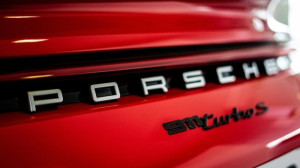
Shopping in the six-figure supercar bracket usually forces a brutal compromise between raw theater and actual mechanical reliability. You either buy an exotic that looks incredible parked outside a restaurant, or you invest in a performance machine that can survive a cross-country road trip without overheating in highway traffic.
Putting the Porsche 911 Turbo S vs Ferrari 488 GTB head-to-head exposes the massive gap between Italian drama and German engineering precision. Both vehicles put up staggering numbers on paper. Yet daily ownership tells a completely different story once you leave a smooth racetrack and hit broken city pavement. If you are looking at a luxury sports car comparison to decide where to park your money, understanding how Porsche 911 Turbo S performance stacks up against Ferrari 488 GTB performance requires looking past peak horsepower claims and examining real-world usability, maintenance headaches, and asphalt traction.
Must Read: Porsche 718 Cayman vs BMW M4: A Detailed Comparison Guide
Why Usability Separates Weekend Toys from Real Supercars?
Most exotic cars spend ninety percent of their lives hooked up to a battery trickle charger in a climate-controlled garage. That happens because ultra-low ground clearance, delicate front splitters, and temperamental cooling systems make normal city driving miserable. A true supercar comparison has to evaluate how a vehicle handles grocery store speed bumps, sudden rainstorms, and tight parking ramps.
The Ferrari 488 GTB screams supercar from two blocks away. Its low, wide stance draws cell phone cameras everywhere you go—which turns a simple coffee run into an unwanted publicity stunt. You also have to constantly monitor the front axle lift system just to clear standard residential driveways.
The 911 Turbo S operates on a completely different philosophy. It gives you hyper car acceleration wrapped in a body that slips through traffic without causing a scene. Visibility out the windshield matches a standard sedan, and the chassis absorbs broken pavement without rattling your teeth.
Powertrain Dynamics and Real-World Speed
Looking at Porsche 911 Turbo S specs alongside Ferrari 488 GTB specs reveals two distinct engineering approaches to forced induction. How these engines put their power to the pavement dictates who actually wins when the light turns green:
1. All-Wheel Drive Launch Consistency
Rear-wheel drive exotics struggle for grip on cold asphalt. Porsche's active all-wheel-drive system clamps down on the pavement instantly, letting you rip off sub-three-second launches over and over again without spinning the tires or burning up the clutch packs.
2. Mid-Engine Rear-Wheel Drama
Ferrari bolted a twin-turbo V8 behind the cabin that generates massive top-end power and an incredible exhaust note. But sending all that torque exclusively to the rear tires means the traction control system has to intervene constantly on wet roads just to keep the car pointed straight.
3. Transmission Calibration in Daily Traffic
Dual-clutch gearboxes can get clunky and jerky at crawling speeds. Porsche’s PDK transmission shifts smoothly in bumper-to-bumper city congestion, then fires off instantaneous gear changes the second you pull the aluminum steering wheel paddles.
Top Pick: Porsche Driving Experience in USA for Memorable Drives
Ownership Costs, Maintenance, and Depreciation Realities
Buying into this tier of performance means calculating running costs before you sign the paperwork. Here is how long-term maintenance and depreciation curves separate German engineering from Italian exotics:
1. Service Intervals and Mechanical Tolerances
German performance engines are built to rack up serious highway mileage without requiring engine-out maintenance procedures. Standard annual service visits cost a fraction of what an Italian dealership charges for routine fluid checks and software calibrations.
2. Depreciation Curves and Market Retention
The Ferrari 488 GTB price takes a heavy hit the moment the odometer crosses ten thousand miles because buyers fear off-warranty repair bills. The Porsche 911 Turbo S price holds rock-steady even on high-mileage examples because the used market knows the powertrain won't self-destruct after daily use.
3. Insurance Premiums and Underwriting Scrutiny
Insurance adjusters price policies based on repair complexity and accident claims data. Insuring a daily-driven 488 GTB commands steep premiums due to exotic carbon-fiber bodywork costs, while the 911 benefits from standardized German collision repair networks.
Porsche 911 Turbo S vs Ferrari 488 GTB: Which One Should You Buy?
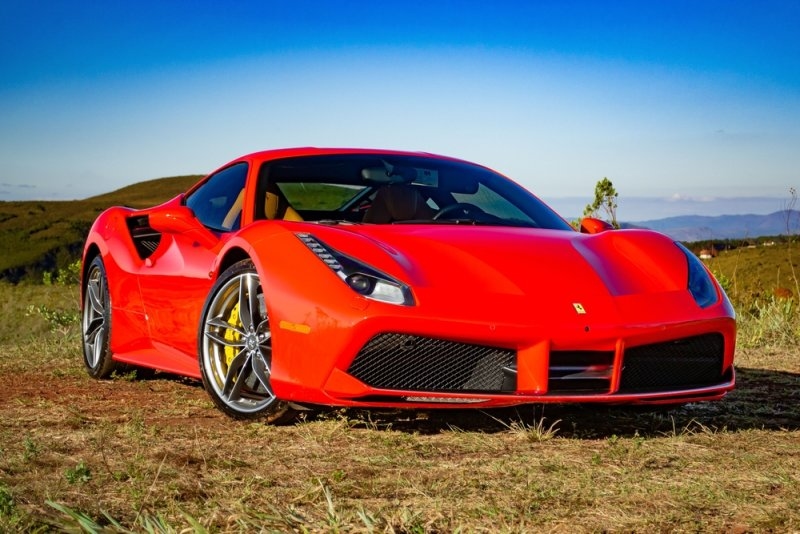
Paper specifications only tell half the story when you are shopping for the best supercars to buy. Evaluating how these machines actually behave outside of a closed circuit highlights why one stays parked while the other gets driven:
| Comparison Metric | Porsche 911 Turbo S | Ferrari 488 GTB |
| Drivetrain & Traction | All-Wheel Drive with active torque routing | Rear-Wheel Drive with electronic differential |
| 0–60 MPH Launch | Consistently under 2.8 seconds on any street | Requires warm tires and dry asphalt to hook up |
| Daily Livability | Excellent visibility, quiet cabin, 2+2 seating | Loud cabin, strict 2-seater, wide blind spots |
| High-Mileage Penalty | Minimal impact on resale or mechanical reliability | Severe market depreciation over 10,000 miles |
Conclusion
If your primary goal is turning heads at valet stands and collecting garage trophies, buy the Ferrari. It offers undeniable visual drama. But if you want an elite performance instrument that starts every single morning, launches brutally in the rain, and lets you drive cross-country without a chase vehicle, the choice is obvious. The Porsche 911 Turbo S delivers hyper car-level dominance without the exotic car baggage—making it the smartest engineering investment in the modern supercar world.
Frequently Asked Questions
Which sports car should I buy, Ferrari 488 GTB vs Porsche 911?
Buy the 911 Turbo S if you actually plan to drive your car to work, take weekend road trips, or launch on imperfect roads. Grab the Ferrari only if you want an occasional weekend attention-magnet and have a second vehicle for daily transportation.
What impacts the Ferrari 488 GTB vs Porsche 911 Turbo S price comparison?
Mileage sensitivity and out-of-warranty maintenance costs drive the pricing gap. Italian exotics shed significant resale value once they pass basic mileage thresholds, while German Turbo models command strong trade-in numbers even with thirty thousand miles on the clock.
How to choose the best luxury sports car for daily driving?
Check ground clearance first. You also need to verify front visibility, cabin noise levels at seventy miles per hour, and how the transmission behaves in stop-and-go traffic before signing a purchase agreement.
Can you safely drive a super sports car year-round in bad weather?
You can if you have four driven wheels. Rear-wheel-drive supercars on wide summer compounds become dangerous on standing water, while all-wheel-drive German platforms with winter rubber handle snow and freezing rain like a standard luxury sedan.
How does mileage impact resale value between Italian and German exotics?
Used buyers treat high-mileage Italian cars as mechanical ticking time bombs. German sports cars do not suffer that same stigma—collectors and enthusiasts regularly buy driven examples because the factory powertrain tolerances handle heavy use without major overhauls.
Featured Video
The fastest Porsche 911 ever made | Turbo S
The Porsche 911 has a turbo boost button but you only have 20 seconds...
Comment using Facebook