« Articles
Porsche 911 AWD vs RWD: Which Drivetrain Should You Choose?


Key takeaways
- The Porsche 911 AWD provides traction, stability, and increased confidence in bad weather conditions.
- The Porsche 911 RWD gives you the traditional sports car driving feel, plus good handling and Rear Wheel Drive.
- Ultimately, your choice will depend upon your personal preferences and what you expect from the Porsche 911.
The Porsche 911 is famous for its everlasting design as well as its amazing performance and drive. However, the choice between Porsche 911 AWD vs Porsche 911 RWD is a hard one since there are certain advantages of both types of drivetrains.
While the Porsche 911 RWD provides you with classic sports car drive and lightweight performance in addition to rear-wheel drive dynamics, the Porsche 911 AWD will give you some additional traction. The choice between these two models depends on you.
Difference Between Porsche 911 AWD and RWD Systems
The main difference between the two cars is how the power is transferred to the wheels.
In the case of the Porsche 911 Rear Wheel Drive, the power generated by the engine is only transmitted to the rear wheels. This technology has been used by Porsche in its sports cars for many years and is famous for delivering a highly engaging drive experience.
In a Porsche 911 all-wheel drive version, power gets shared between the front and rear wheels via the Porsche intelligent traction management system.
Both technologies deliver great performance but have their own driving dynamics.
Porsche 911 RWD: The Traditional Sports Car Experience
For those motorists who crave that sense of being connected with their machine, the Porsche 911 RWD model is still the one to get.
With all of its power being directed to the rear wheels, such vehicles tend to be light and responsive.
Being able to control the acceleration and steering, along with feeling the body of the car while driving, is the beauty of rear-wheel drive that made sports cars so popular.
Some other benefits of the Porsche 911 RWD system are:
- The car is lighter than the AWD version
- More direct handling
- Rear-engine sports cars experience
- Driver's involvement in the process
Porsche 911 AWD: Confidence and All-Weather Capability
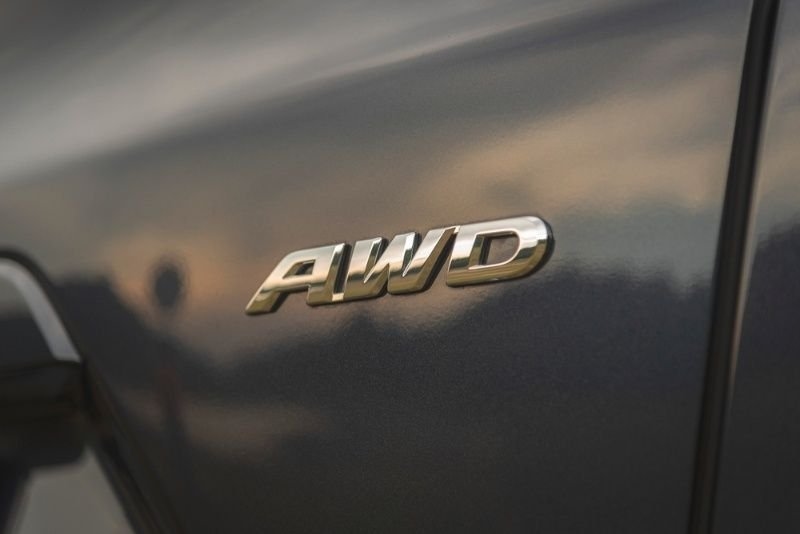
The Porsche 911 AWD is a vehicle aimed at people seeking added security while keeping their car's sports features intact.
The use of power to both the rear and front wheels results in better control during acceleration, thus offering enhanced stability in case of uncertain road conditions.
Some advantages of the Porsche 911 all-wheel drive include:
- Enhanced traction in wet or slippery road conditions
- Enhanced stability in case of hard acceleration
- Higher confidence levels in cold weather conditions
- Predictable control in difficult conditions
Even though the AWD system is heavy, Porsche has managed to design these vehicles to be agile and perform as expected of a 911.
Porsche 911 AWD vs RWD Performance Differences
Both the Porsche 911 AWD and RWD are fast cars, but each has its strengths when it comes to Porsche 911 AWD vs RWD performance, which becomes visible in certain circumstances.
The RWD version of the vehicle is considered more fun because the driver is provided with more control over the rear axle. This gives an opportunity for professional drivers to experience the true nature of the car.
The AWD version can have faster accelerations since the traction allows transferring power from the engine to the road better. Sometimes there might not be any visible difference between the versions in normal driving. They both offer excellent acceleration and cornering ability.
Porsche 911 Handling and Driving Dynamics
The main difference between the two models lies in their driving dynamics.
The Porsche 911 handling experience in the RWD model is characterized by being more classic and entertaining. One is able to feel the rear-wheel drive of the car, which makes it more entertaining for driving on the open road.
In the AWD model, one will feel a sense of security. The system helps in providing stability while accelerating through corners or driving in varying conditions.
If we take the Porsche 911 driving dynamics into consideration, then neither model is superior to the other. Instead, they both cater to the needs of different individuals.
Must Read: How to Find Auto Insurance That Fits Your Budget and Needs?
Porsche 911 Traction Differences
It is in terms of traction that AWD cars have the greatest benefit. In fact, the Porsche 911 traction capabilities for the AWD model will prove to be quite useful in rainy and snowy weather or even when driving on rough roads.
Nevertheless, even the modern Porsche 911 RWD car cannot be considered incapable. Due to advanced stability systems and highly performing tires, the car performs quite well under normal conditions.
Porsche 911 AWD vs RWD in Different Driving Conditions
In conditions of dry pavement and aggressive driving, both drivetrains provide a great driving experience. Most racing drivers favor RWD due to its lighter handling and feedback. If you live in areas that receive lots of rainfall or snow, AWD adds an extra layer of security.
In many cases, it comes down to where you live:
- Dry climate - RWD gives you a classic sports car experience.
- Mixed climate - AWD adds extra confidence.
- Highway driving - AWD provides extra stability.
- Race track driving - Many people favor RWD for its engagement.
Porsche 911 AWD or RWD for Daily Driving
Another significant consideration in this comparison between Porsche 911 drivetrains is usability on a day-to-day basis.
If you drive your 911 all year round, AWD will make things easier for you since it will give you more peace of mind regardless of the conditions you are dealing with. This drivetrain system will be ideal for those who have to endure seasonal changes in the weather.
RWD will also be a good choice for a daily driver where the climate is relatively mild. People prefer it because they enjoy the more engaging experience while driving the car.
Also Check: Porsche 911 Turbo S vs Ferrari 488 GTB: Which is Better?
Porsche 911 Buying Guide: Choosing the Right Drivetrain
When it comes to making a choice between AWD and RWD systems, think about your driving style and not just go for the superior one.
If you prefer these, choose RWD:
- A light sports car driving experience
- The most engaged driving style
- A basic performance package
Choose AWD if you prefer:
- Better grip in difficult conditions
- More confidence all year round
- Greater versatility
Both variants offer the performance values Porsche is known for.
Conclusion
There is no single winner in the case of choosing between Porsche 911 AWD vs RWD. The Porsche 911 RWD offers an iconic and exciting drive, whereas the Porsche 911 AWD ensures better traction. The right choice will depend on your personal preferences and the way you are going to use your car.
FAQs
Is the Porsche 911 AWD worth the additional expense?
The Porsche 911 AWD may well be worth the added expense to those who desire better traction, increased stability, and enhanced performance in variable weather conditions. But those who value weight saving and more involving handling would find the Porsche 911 RWD preferable.
What is the difference between a Porsche 911 AWD and an RWD?
The main difference lies in how power is delivered: AWD delivers power to all four wheels; RWD delivers power to the rear wheels only.
Should I buy a Porsche 911 AWD or RWD?
Get AWD if you want better performance in all conditions and get RWD if you want maximum connection with the car.
Is the Porsche 911 AWD better for winter driving?
Yes, AWD is generally better equipped to handle winter conditions when compared to RWD.
How does Porsche 911 AWD vs RWD handling compare?
AWD gives more stability and confidence when accelerating and dealing with changing conditions, whereas RWD will give a sportier feel to driving.
Featured Video
The fastest Porsche 911 ever made | Turbo S
The Porsche 911 has a turbo boost button but you only have 20 seconds...
Comment using Facebook