« Articles
What are the Cheapest Porsche Cars You Should Consider to Buy?

Key Takeaways
- Start by comparing Porsche models based on their base price—skip the fancy options and dealer markups for now.
- If you’re hunting for the cheapest new Porsche models in the U.S., check out the Macan first.
- Chasing pure driving fun? The 718 Cayman should grab your attention instead of the SUV.
- If you’re looking at older, used Porsches, don't just glance at the price tag—condition and maintenance history matter a lot.
- And remember, the sticker price doesn't cover everything. Factor in maintenance, insurance, and options before you decide what’s truly affordable.
Porsche has always had this reputation—get behind the wheel and you’ll feel it. But that “specialness” comes at a price. The good news? You don’t have to shell out six figures for every Porsche. There are a handful of models that make stepping into Porsche ownership a lot less intimidating.
In the U.S., Porsche’s current base pricing kicks off at $65,400 for the 2026 gasoline Macan. The 2025 718 Cayman follows at $75,400. Yes, that’s still a chunk of change. But compared to top-tier Porsches, these numbers mark a whole different starting line. You can also go used. The pre-owned Porsche market is packed with cars—some cost way less than buying new. Still, buying old means you have to pay close attention to things like mileage, service history, and upcoming repairs.
So, which models make sense if you want in on the Porsche experience without emptying your bank account? Here’s what you need to know before you pull the trigger for cheap Porsche sports cars or aim for the cheapest Porsche cars.
Which Porsche Models are the Most Affordable?
Here are the most affordable porsche models:
Porsche Macan
Right now, the Macan is your entry ticket if you’re buying new in the U.S. It’s practical, too—if you need an SUV but don’t want to give up Porsche’s driving spirit, this is the one. For 2026, the gasoline Macan starts at $65,400. It’s all-wheel drive, packs 261 horsepower, and goes 0–60 mph in six seconds.
That combo works well for everyday life—think commuting, grocery runs, road trips—while still feeling like a Porsche should.
Porsche 718 Cayman
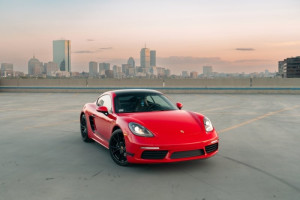
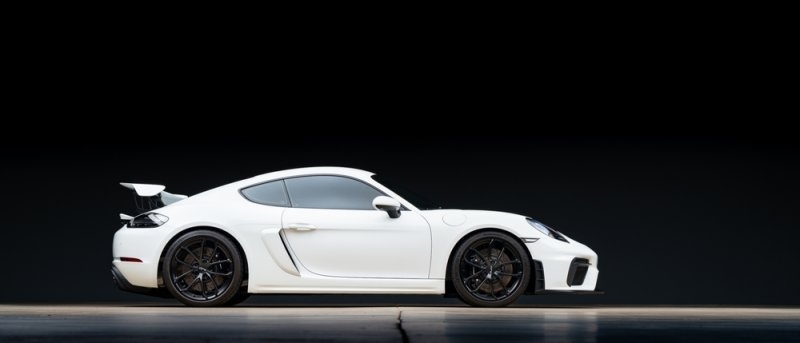
Now, if you’re all about sports cars—the kind that hug the ground and beg for corners—the 718 Cayman stands out. The 2025 model starts at $75,400. You get 300 horsepower, rear-wheel drive, plus your choice of automatic or manual transmission. It sprints to 60 mph in 4.7 seconds.
It’s definitely pricier than the Macan. But if you care more about the feel of a proper sports car than hauling stuff or all-weather driving, it’s a strong pick.
Porsche Macan T
The Macan T takes the basic Macan idea and cranks up the driving fun. Prices start at $71,100 for 2026. It sticks with 261 horsepower but shaves a bit off the sprint, hitting 60 mph in 5.8 seconds. That extra cost gets you sharper handling and a bit more equipment—without forcing you up to the far pricier Macan S or GTS.
Porsche 718 Cayman Style Edition
If you want your Cayman with more flair, there’s the Style Edition at $82,100 (2025 model). It keeps the same 300-horsepower formula and rear-wheel drive, just with more style and extra kit thrown in. It’s not cheap, but for some, those touches make it worth it.
Try This: Porsche 718 Cayman vs BMW M4: A Detailed Comparison Guide
What About the Cheapest Used Porsche Model Cars?
New cars aren’t the only path. Older Porsches flood the market, and now you’re looking at a much wider range of prices. There’s no single starting price here—it all depends on the car itself. Sometimes, a pricier car that’s been meticulously cared for is actually the smarter buy than a “bargain” that’s been ignored.
Older Porsche 911
The 911 is iconic—no question about it. Older models can make Porsche ownership possible for way less money, but the right ones (low miles, great condition, full maintenance history) still cost a premium. And a cheap 911 isn’t always a cheap car to own—sometimes the repairs are what sting. It is among the best, cheapest used Porsche models available in the market.
Porsche Boxster
The Boxster makes a great case, too—especially if you’re open to convertibles. Its mid-engine layout gives it a unique drive. Older Boxsters are usually more affordable than other sports Porsches. Still, don’t skip the homework: check out service records and get a pro to inspect any car you’re seriously considering.
Porsche Cayman
Want the Cayman experience but not the new price? Look at older ones. They deliver the mid-engine, two-seat magic, but you’ve got to find a well-cared-for example. Sometimes, a car that seems cheap up front can surprise you with big repair bills if it’s been neglected.
Porsche Cayenne
The Cayenne flipped the script about what a Porsche even is when it launched. Older Cayennes can be downright cheap to buy, and you get way more interior room than any sports model. But big luxury SUVs can cost a fortune to maintain, especially as they age. So, weigh ongoing costs, not just the initial price.
Are the Cheapest Porsche Cars Actually the Best Value?
Not always. The price you see isn’t everything. Porsche’s MSRP doesn’t include options, taxes, delivery fees, dealer charges, or tariffs. And options can add up fast—Porsche loves selling personalization. A “cheap” car can quickly become a lot more expensive once you start checking boxes.
When you’re looking used, you need to think even wider: maintenance history, mileage, tires, brakes, accident history, modifications, service records, insurance costs, and finding someone qualified to fix it all matter. Getting a pro inspection on an older Porsche is almost always money well spent.
Should You Buy a New or Used Porsche?
Buying new gets you that peace of mind—latest tech, a warranty, exactly the car you want, and no surprises. Used gets you in for less money and sometimes into cars you couldn’t dream of affording brand new. It comes down to priorities. So, the cheapest new Porsche Models can be a good choice for a Porsche lover willing to buy.
If you want predictability and new features, the Macan or 718 Cayman are solid starting points. If the lowest entry price matters more, start digging into well-maintained used Porsches.
Essential Reads: Porsche Cayenne Review: Still Worth it for USA Buyers?
Conclusion
You don’t have to compromise just because you want the “cheapest” Porsche. Right now, the U.S. lineup starts with the 2026 Macan at $65,400, while the 718 Cayman sports car starts at $75,400. Go used, and your options multiply fast—older 911, Boxster, Cayman, and Cayenne models all open new doors at lower prices. But don’t judge by sticker price alone. Maintenance, insurance, and condition count just as much.
At the end of the day, the best Porsche is the one you can actually enjoy—without losing sleep over repair bills. Take your time. Compare, inspect, and budget honestly. Make the purchase about the experience, not just the moment in the showroom. And if you want more info and guidance, sites like PorscheMotorcar.com can keep your research rolling.
Your dream car really does deserve a thoughtful decision. Take a good look, set a budget that makes sense, and pick the Porsche that puts a smile on your face—without stretching your wallet until it hurts.
FAQs
Is Porsche Considered a Luxury Car Brand?
Absolutely. Porsche lands in the luxury car world—no debate. You get premium interiors, smart engineering, performance, and lots of ways to customize. All of that means higher costs, too. Be sure to calculate insurance, maintenance, tires, brakes, and options before you decide a certain Porsche fits your budget.
Which Porsche Has the Best Everyday Comfort?
If comfort is top of your list, the Macan is a standout. It’s an SUV, so you’ve got easier entry, more cargo space, and an easy seating position—while still keeping that Porsche feel. The Cayenne has even more room, but it's more expensive to buy and run.
Does Porsche Offer Manual Transmission Models?
Yes, Porsche still builds manuals in select models and trims. For instance, the 2025 718 Cayman can be had with either an automatic or a manual. Availability depends on the model and even the market, so double-check if a manual is your must-have.
Are Porsche Cars Expensive to Repair?
Generally, yes. Porsche uses special parts and engineering, and that means higher repair bills than everyday cars. Costs swing a lot depending on the model, age, and condition. A newer Porsche is usually less of a gamble, but older cars can surprise you with sudden maintenance. Always get a detailed inspection and check service records before buying used.
Does the Porsche Macan Have All-Wheel Drive?
Yep, the 2026 gasoline Macan sold in the U.S. comes with all-wheel drive and an automatic. It’s rated at 261 horsepower and goes 0–60 mph in six seconds flat. That mix of solid performance plus daily usability makes it an appealing starting point in the Porsche family.
Featured Video
The fastest Porsche 911 ever made | Turbo S
The Porsche 911 has a turbo boost button but you only have 20 seconds...
Comment using Facebook