« Articles
Is the 2027 Porsche 911 GT3 S/C Worth Buying for You?

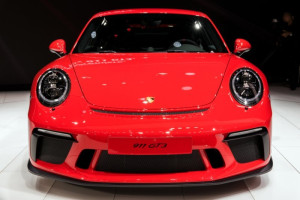
Quick Takeaways
- The 2027 Porsche 911 GT3 S/C is the first-ever series-production GT3 cabriolet.
- A naturally aspirated 4.0-liter flat-six engine delivers 502 horsepower and revs to a 9,000 RPM redline.
- The powertrain pairs exclusively with a short-ratio six-speed GT Sport manual transmission for maximum driver engagement.
- Carbon-fiber body panels, ceramic-composite brakes, and magnesium wheels keep total vehicle weight down to 3,322 pounds.
- Base pricing starts at $275,350 with initial customer deliveries scheduled for fall 2026.
Few feelings compare to hearing a high-revving engine echo against open canyon walls. For decades, track purists had to choose between fixed-roof rigidity and open-air thrill. According to recent reporting from Car and Driver, Porsche resolved that dilemma by introducing the 2027 Porsche 911 GT3 S/C.
If you crave the raw spine-tingling thrill of a naturally aspirated flat-six without a roof blocking the exhaust note, this car was built for you. In this detailed review, we explore performance specs, lightweight engineering, interior features, maintenance demands, and long-term ownership value.
2027 911 GT3 S/C: High-Revving Performance Meets Engineering Precision
At the core of this machine is motorsport-derived engineering. The 2027 Porsche 911 GT3 S/C brings legendary track hardware into a daily convertible package.
| Feature / Component | Official Specification |
| Engine Type | 4.0-Liter Naturally Aspirated Flat-6 |
| Horsepower & Torque | 502 HP / 331 lb-ft of Torque |
| Maximum Redline | 9,000 RPM |
| Transmission | 6-Speed GT Sport Manual Only |
| Curb Weight | 3,322 lbs (1,497 kg) |
| 0–60 MPH Acceleration | ~3.7 Seconds |
Naturally Aspirated 4.0-Liter Flat-Six Engine
The heart of this vehicle is its iconic 4.0-liter engine. It produces 502 horsepower and screams all the way to a 9,000 RPM redline. Without a turbocharger muffling the exhaust, the auditory feedback is completely unfiltered.
Six-Speed GT Sport Manual Transmission
Porsche chose to offer this model strictly with a six-speed manual gearbox. The short-throw shifter delivers precise mechanical shifts. It also includes an auto-blip feature for seamless downshifts.
Lightweight Construction from the 911 S/T
To offset the added weight of the power roof mechanism, Porsche borrowed carbon-fiber-reinforced plastic (CFRP) parts from the limited 911 S/T. The hood, front fenders, and doors are all crafted from carbon fiber. Standard magnesium wheels and carbon-ceramic brakes further reduce unsprung mass.
Try This: What are the Cheapest Porsche Cars You Should Consider to Buy?
Porsche 911 GT3 S/C Features and Interior Customization
Stepping inside reveals a driver-focused two-seater cabin. The rear seats were eliminated to preserve weight savings and structural balance.
Driver Cockpit and Digital Technology
The dashboard blends classic ergonomics with modern tech. A 12.6-inch fully digital instrument cluster offers a GT-specific display mode. Drivers can switch view configurations to highlight gear shift timing, oil temperature, and tire pressure.
Exclusive Street Style Package
Buyers can opt for the new Street Style Package. This package adds distinct exterior graphics, custom stitching, and unique two-tone leather accents across the sports bucket seats.
Maintenance and Service Requirements: Keeping the GT3 S/C at Peak Performance
Owning a high-rpm GT product requires strict adherence to factory service intervals. Track use demands even more frequent maintenance checks.
| Service Interval | Recommended Maintenance Tasks |
| Annual / 10,000 Miles | Synthetic engine oil change, oil filter replacement, and multi-point safety inspection. |
| 2 Years / 20,000 Miles | Brake fluid flush, cabin air filter replacement, and convertible top mechanism lubrication. |
| 4 Years / 40,000 Miles | Spark plug replacement, gearbox oil refresh, and drive belt inspection. |
| Track Day Inspection | Inspection of ceramic-composite brake rotors, center-lock wheel torque, and tire wear patterns. |
911 GT3 S/C Cost and Market Availability
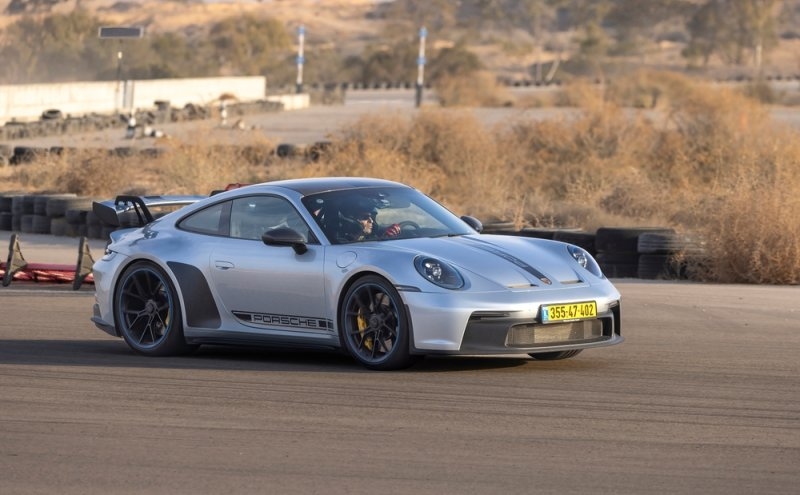
Understanding the 911 GT3 S/C cost helps buyers evaluate its positioning in the high-performance market.
- Base MSRP: Starts at $275,350 before destination charges.
- Standard Upgrades: Porsche Ceramic Composite Brakes (PCCB) and magnesium wheels come standard.
- Delivery Schedule: Order books are open now, with initial deliveries arriving by fall 2026.
Unlike limited production runs such as the Speedster or 911 S/T, the S/C is a series-production model. That means production numbers are not artificially capped by the factory.
Must Try: Porsche 718 Cayman vs BMW M4: A Detailed Comparison Guide
Conclusion
The 2027 Porsche 911 GT3 S/C redefines what an open-top driver's car can be. Throughout this review, we explored its 502-horsepower naturally aspirated engine, manual gearbox, carbon-fiber weight savings, and ongoing maintenance schedules. By combining track-proven components with an automatic soft top, Porsche created a machine that appeals to both purists and open-air enthusiasts. While the price reflects elite engineering, its durability and build quality offer lasting value.
Experiencing a supercar of this caliber requires the right guidance, insights, and market knowledge. When you stay informed on cutting-edge automotive releases, you make smarter choices for your collection. Take the next step toward automotive excellence and discover detailed breakdowns, specs, and owner reviews on porschemotorcar.com today.
Frequently Asked Questions
How Fast Does the Convertible Top Operate on the 2027 Porsche 911 GT3 S/C?
The power-operated soft top opens or closes in approximately 12 seconds. Drivers can operate the roof mechanism while moving at vehicle speeds up to 31 mph (50 km/h). Lightweight magnesium roof frame components help maintain structural rigidity without adding excessive overall weight to the top half of the car.
Does the 2027 Porsche 911 GT3 S/C Feature Rear-Wheel Steering?
No, Porsche omitted rear-wheel steering on this model to keep weight as low as possible. Removing the rear-steering actuators contributes directly to the vehicle's nimble 3,322-pound curb weight while maintaining precise and communicative front-axle turn-in during aggressive cornering maneuvers.
Is a PDK Dual-Clutch Transmission Available on the 911 GT3 S/C?
Porsche does not offer the PDK automatic transmission on the S/C variant. To maintain pure driver engagement, the factory exclusively pairs the 4.0-liter flat-six with a short-ratio six-speed manual gearbox. Coupe models continue offering PDK options for lap-time-focused drivers.
How Much Storage Space Is Available in the 2027 911 GT3 S/C?
The front cargo trunk provides 4.8 cubic feet of space. Because the rear seats are removed, buyers can equip a custom removable storage box behind the front seats. This adds an extra 2.8 cubic feet (80 liters) of secure cabin storage for weekend travel gear.
What Suspension Setup Does the 2027 Porsche 911 GT3 S/C Use?
The S/C utilizes double-wishbone front suspension tuned with slightly more compliant spring rates borrowed from the GT3 Touring. Adaptive dampers come standard, allowing the chassis to balance aggressive track cornering capability with comfortable ride compliance on uneven public roads.
Featured Video
The fastest Porsche 911 ever made | Turbo S
The Porsche 911 has a turbo boost button but you only have 20 seconds...
Comment using Facebook