« Articles
How the Porsche 911 Generations Have Grabbed Attention?


Key Takeaways
- Rear-Engine Dominance: Sticking the heavy motor completely behind the rear axle creates massive launch traction and incredibly aggressive cornering dynamics.
- Air-Cooled Obsession: Early models strictly relied on pure airflow to cool heavy engines, creating a totally unique mechanical scream.
- Evolution Over Revolution: The raw exterior silhouette completely survived sixty years of massive redesigns, proving absolute perfection never requires completely starting from zero.
Building a sports car dynasty takes decades of brutal engineering. Most brands completely destroy flagship vehicles by blindly chasing random design trends every decade. Porsche took a totally different route, refusing to alter the iconic silhouette for over sixty years. Tracing the massive history of Porsche 911 generations reveals a ruthless dedication to rear-engine madness. This iconic machine survived emission laws, brutal financial crashes, and new technological eras without completely losing the original raw soul. Modern collectors drop massive cash simply to own a piece of this violent asphalt-tearing legacy today.
Must Read: What are the Cheapest Porsche Cars You Should Consider to Buy?
Porsche 911 Generations: What Made this Car Stand Out?
Ignoring standard automotive rules completely built this legendary metal monster. Placing a heavy engine behind the rear tires created totally terrifying handling dynamics demanding absolute driver respect. Relentless engineering refined that wild imbalance, turning a completely dangerous rebel into the absolute sharpest track weapon available globally today.
Why Porsche 911 Models Have Remained Popular Among Car Lovers Over the Years?
Earning absolute massive respect demands delivering violent performances year after year. The entire lineup of Porsche 911 models entirely rejects boring corporate compromises, heavily focusing on pure mechanical connection instead.
1. Timeless Exterior Design
Recognizing a chassis takes zero effort. The massive round headlights and totally sloping rear roofline completely define modern sports car geometry.
2. Bulletproof Daily Reliability
Exotic supercars completely break down constantly. This German machine actually survives brutal daily commutes, sitting in heavy traffic without violently overheating.
3. Massive Model Variety
Finding the exact perfect match takes zero effort. From totally stripped-down track weapons to heavy luxury cruisers, the factory builds a highly specific variant.
4. Insane Resale Value
Buying one acts exactly like a heavy bank vault. Classic air-cooled chassis actually gain massive financial value, completely beating totally standard stock market returns.
Overview of the Best Porsche 911 Generations
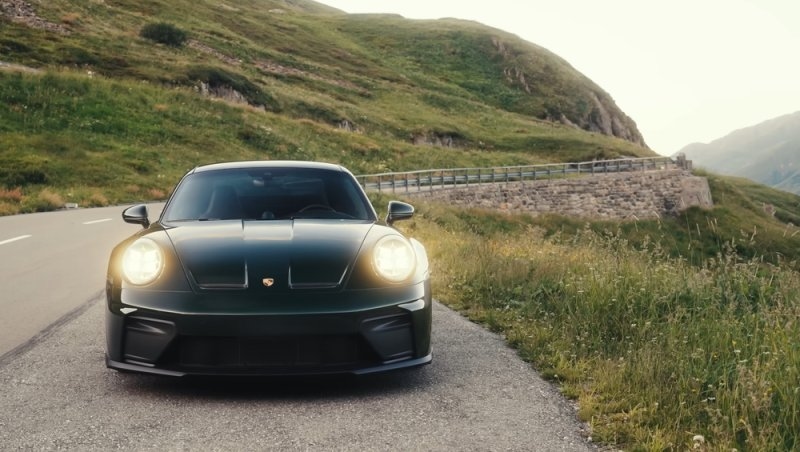
Debating the absolute best Porsche 911 generation totally destroys friendships among car enthusiasts fast. Every single chassis code brings a totally different flavor of asphalt-tearing violence.
1. 993 Era (1994-1998)
This legend completely shut the door on the air-cooled era. The incredibly wide rear fenders and totally analog steering feel make it the absolute holy grail for purists globally.
2. 997 Era (2004-2012)
Fixing the highly controversial headlight mistake totally redeemed the brand. This chassis perfectly blends raw mechanical hydraulic steering with advanced modern reliability and violent horsepower.
3. 964 Era (1989-1994)
Bringing heavy all-wheel drive to the street totally changed the traction game. It perfectly bridges the gap between classic vintage aesthetics and totally usable modern engineering.
4. 991 Era (2011-2019)
Pushing the absolute physical limits required completely stretching the wheelbase. This massive platform redefined high-speed stability while introducing incredibly fast dual-clutch transmission shifts.
All Porsche 911 Models by Year: A Complete List
Tracking the massive evolution requires memorizing confusing internal factory chassis codes. Looking closely at all Porsche 911 models by year reveals a completely unstoppable mechanical progression.
1. Original 901 (1963-1973)
The raw beginning. Tiny naturally aspirated engines provided modest power, packaged inside a totally lightweight, highly dangerous short-wheelbase body.
2. G-Series (1973-1989)
Surviving global bumper regulations birthed the heavy impact bumpers. This massive sixteen-year run finally introduced the absolutely terrifying, highly aggressive Turbo model.
3. Type 964 (1989-1994)
Adding massive coil springs fixed the terrible vintage torsion bar suspension. Heavy anti-lock brakes and power steering finally made the chassis totally drivable daily.
4. Type 993 (1994-1998)
The absolute final air-cooled masterpiece. The completely redesigned multi-link rear suspension finally tamed the completely lethal snap-oversteer characteristics.
5. Type 996 (1998-2004)
Switching to liquid-cooled engines caused a massive global purist meltdown. The highly controversial "fried egg" headlights broke tradition, but heavy horsepower numbers increased.
6. Type 997 (2004-2012)
Bringing back the massive round headlights completely restored visual order. The incredibly sharp chassis dynamics make it heavily desired by track-day junkies.
7. Type 991 (2011-2019)
Shifting to highly advanced aluminum construction completely offset the massive size increase. Heavy turbochargers eventually invaded the standard Carrera models, totally changing the engine sound.
8. Type 992 (2019-Present)
The totally digital modern era. Insanely massive digital dash displays and heavy hybrid integration push the legendary silhouette directly into the absolute future.
Conclusion
Building a completely timeless machine demands ignoring total automotive fads. Following the massive trail of Porsche 911 generations exposes a totally ruthless commitment to absolute engineering perfection. Evolving from a totally terrifying, unpredictable vintage sports car into a dominant global track weapon took massive dedication. The heavy rear-engine layout completely defies basic physics, yet brilliant engineers forced the wild concept to rule the asphalt. Drop the totally massive cash, grab a heavy steering wheel, and experience the absolute brutal legacy directly.
Frequently Asked Questions
What exactly does the internal chassis code mean?
The massive German factory assigns a totally specific internal project number to every completely new vehicle design. Enthusiasts strictly use these numeric codes to instantly identify the exact production era without totally guessing the specific manufacturing year.
Why did the original model name change immediately after launch?
A totally different French automaker threatened massive legal action, claiming absolute ownership over all three-digit car names featuring a zero entirely in the middle. The German engineers strictly swapped the middle digit, avoiding a totally brutal lawsuit.
How does the famous Mezger engine differ from standard blocks?
This highly legendary racing block completely lacks an integrated oil sump, utilizing totally true dry-sump lubrication instead. The robust construction completely prevents massive oil starvation during heavily aggressive cornering, making it absolutely bulletproof for track abuse.
What completely separates a standard Carrera from a heavy Turbo model?
While modern standard engines totally feature turbochargers today, the specific uppercase model name designates the absolute flagship performance tier. These massive wide-body variants strictly feature heavily upgraded internals, larger turbines, and completely mandatory all-wheel drive systems.
Does buying an older air-cooled chassis require incredibly massive maintenance cash?
Absolutely. While heavily over-engineered, fifty-year-old rubber seals completely rot away entirely. Paying highly specialized vintage mechanics to totally drop the massive engine just to fix a tiny oil leak drains heavy bank accounts incredibly fast.
Featured Video
The fastest Porsche 911 ever made | Turbo S
The Porsche 911 has a turbo boost button but you only have 20 seconds...
Comment using Facebook