« Articles
Porsche Track Day Preparation: What to Check Before You Go?


Key Takeaways
- Begin your Porsche track day preparation about two weeks out. Rushed fixes cause mistakes.
- Brakes come first. Fresh high-temperature fluid and decent pads beat extra horsepower every time.
- Look at tire age and wear, not just tread depth.
- Pack tools, spare fluids, and safety gear well before the night before.
- Stay calm, look ahead, and do what your instructor says.
Picture the paddock on your first morning. Your palms are a little sweaty, and the cars around you look far more serious than yours. That’s normal. Everybody starts somewhere. A street Porsche can handle a track day nicely, but twenty minutes of hard driving shows up every neglected bolt and tired fluid. This beginner track day guide covers what to check, what to pack, and how to behave once the green flag drops.
What is Porsche Track Day Preparation?
Porsche track day preparation is everything you do so the car and you, can handle sustained speed. Your commute never asks the brakes or tires to work flat out for twenty minutes. A circuit does. Spotting a tired hose in your garage costs pocket change. Finding it mid-session costs far more.
Driving a 911 or a Cayman? The checks barely change. If you’re still deciding, this piece on Porsche Cayman model history explains why plenty of newcomers love the mid-engine layout.
How Do You Complete a Porsche Track Inspection?
Think of a Porsche track inspection as a slow, nosy walk around the car with a flashlight and a notepad. Do it a week before the event, then do it again at the circuit. This table shows where to start.
| Area | What to Check | Warning Sign |
| Brakes | Pads, rotors, fluid | Thin pads, cracks |
| Tires | Tread, sidewalls | Bubbles, dry rot |
| Suspension | Bushings, dampers | Leaks, play |
| Cooling | Hoses, radiators, belts | Seepage, soft spots |
| Fluids | Oil, transmission | Low or dark fluid |
If something looks questionable, ask a specialist. Good shops get busy before track season, so call early.
What Should a Porsche Brake Inspection Cover?
Brakes take the worst beating out there. Every lap asks them to dump huge speed, over and over, while heat piles up. A proper Porsche brake inspection takes roughly an hour, and it’s the hour that could save your weekend.
Pads and Rotors
Measure the pads and keep at least half the material before you arrive. Rotors need a close look too, mainly for deep lips, cracks, and bluish heat spots. Worn parts won’t heal themselves on track. If you’re unsure, replace them and bed the new pads in on the street.
Fluid and Hoses
Put in fresh DOT 4 fluid, or better. Old fluid soaks up moisture and boils sooner, and a soft pedal late in a session is scary. Squeeze the rubber hoses while you’re there. Swelling or damp patches mean replacement, not hope.
How Do You Handle Porsche Tire Preparation?
Your tires are the only part of the car touching the ground, so Porsche tire preparation deserves the same care as the brakes. Heat cycles chew through rubber much faster than errands do. Healthy sidewalls and even wear decide how trustworthy the car feels in a corner.
Tread, Age, and Wear
Aim for at least 4/32 inch of tread. Skip tires with sidewall bubbles or dry rot, and glance at the date code, since old rubber turns hard. Uneven wear usually points to an alignment problem. Fix that before you go, because some factory tires also get overwhelmed by track heat.
Pressures and Wheel Hardware
Measure pressure cold. Many drivers start a few PSI above the factory number because pressure rises with heat, though your instructor may have a better target. Torque every wheel bolt to spec, then check them again after your first session.
What Belongs on a Porsche Track Day Checklist?
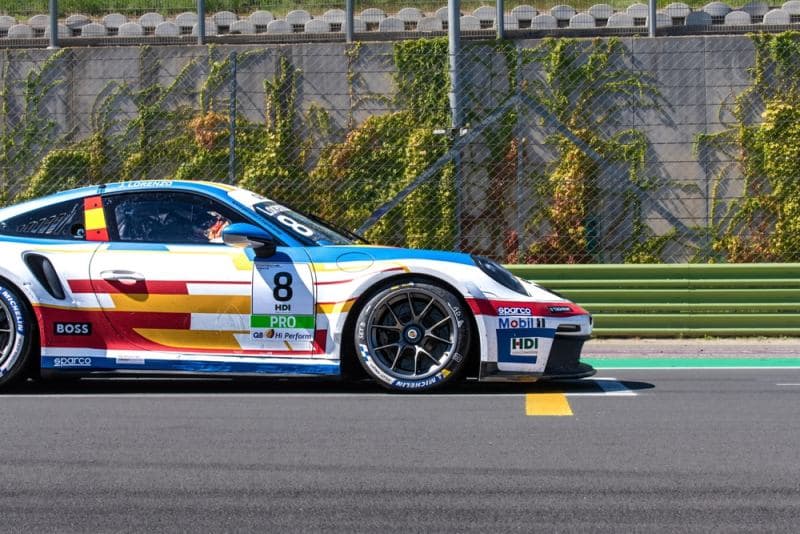
A decent Porsche track day checklist saves you from that last-minute scramble the night before. Print it, stick it in the glovebox, and tick things off as you go. Here’s the short version for the week and night before:
- Book a full inspection at least two weeks ahead
- Change brake fluid and engine oil if they’re due
- Confirm registration and the event’s tech rules
- Empty the cabin and pull out the floor mats
- Fill the tank, then pack water and snacks
Which Porsche Track Day Equipment Should You Pack?
Good Porsche track day equipment isn’t complicated, and you don’t need a trailer full of tools. You need proper gear to keep yourself safe, plus a few basics for small adjustments between sessions. The table below sorts the essentials into groups.
| Category | What to Bring |
| Driver gear | SA-rated helmet, closed-toe shoes, long pants |
| Car basics | Torque wrench, tire gauge, jack, stands |
| Spares | Engine oil, brake fluid, extra pads |
| Comfort | Water, sunscreen, towels, folding chair |
What Happens at a First Track Day?
Most clubs kick off with a drivers’ meeting, then pair novices with an instructor. Nobody expects heroics. Learn the flag signals, pass only where you’re allowed, and treat each session as practice. Still torn about which car suits the track? Read Porsche 718 Boxster vs Spyder: which car is right for you before you choose.
What are the Best Porsche Track Driving Tips?
Slow down to go faster. These Porsche track driving tips help you learn the line without frightening yourself or the car:
- Look far ahead, not at the hood
- Brake in a straight line, then ease off gently
- Squeeze the throttle instead of stomping it
- Do a slow cool-down lap before heading to the pits
- Ask your instructor questions after every session
Conclusion
Good track days begin in the garage, not on the grid. Check the brakes, respect the tires, pack sensibly, and drive smoothly. Do that, and your Porsche comes home in one piece, with you grinning all the way. Go print that checklist tonight.
Frequently Asked Questions
How far ahead should I begin preparing?
Begin about two weeks before the event. That gives you time to book an inspection, order parts, replace fluids, and bed in new brake pads without rushing or skipping anything important along the way.
Can I run stock brake pads on my first day?
Many beginners do, provided the pads have plenty of material left and the fluid is fresh. Street pads can fade sooner, so ease into braking zones and listen early for any warning signs.
Is my daily-driver Porsche suitable for a first event?
Usually, yes. Most novice groups welcome healthy street cars. Pass a thorough inspection, remove loose items, and keep expectations realistic, because speed matters far less than learning good habits. Nobody expects a race car.
Do I need a roll bar or harness as a beginner?
Rarely. Most novice events accept factory seat belts without a roll bar. Always read your organizer’s rules first, since requirements differ between clubs, tracks, and certain convertible models. Helmets, however, are always non-negotiable.
What should I wear to a track day?
Wear long pants, closed-toe shoes with thin soles, and a comfortable cotton top. Bring an SA-rated helmet or rent one. Gloves are optional, though many drivers like a little extra grip on long days.
Featured Video
The fastest Porsche 911 ever made | Turbo S
The Porsche 911 has a turbo boost button but you only have 20 seconds...
Comment using Facebook