« Articles
How Does the Porsche Suspension System Work in Real Life?


Key Takeaways
- The Porsche suspension system is really a team of springs, dampers, and anti-roll bars keeping you comfy and in control.
- PASM tweaks damping on the fly, and air setups can even raise or lower the car.
- Clunks, leaks, and a car that sits crooked usually point to worn parts.
- Choose upgrades for your daily drive, not for what looks cool in a forum photo.
Take a Porsche down a twisty back road, and you’ll notice it fast. The car feels glued to the tarmac. That’s the suspension at work. Below, we’ll cover how it works, the setups, what wears out, and which upgrades deserve your cash.
How Does the Porsche Suspension System Work?
Picture a spring and a shock absorber at every corner. The spring holds the car up. The damper stops that spring from bouncing like a pogo stick. Porsche spends a lot of time tuning this pairing, so your tires keep gripping when you brake late or turn in hard.
What are the Main Porsche Suspension System Components?
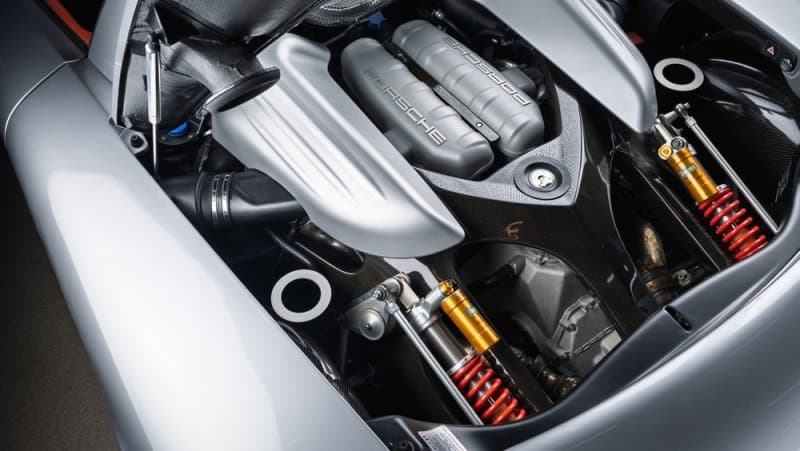
A handful of parts do most of the heavy lifting. You don’t need to be a mechanic to know them, but it helps when a shop hands you a quote.
- Springs hold the weight and come as coil or air versions.
- Dampers calm the spring so the body doesn’t wobble.
- Anti-roll bars fight that leaning feeling in corners.
- Control arms and bushings keep each wheel pointed the right way and soak up buzz from the road.
What are the Different Types of Porsche Suspension Systems?
Porsche suspension types usually fall into three camps, and each one suits a different kind of owner.
Standard Steel Spring Setup
Plenty of models ship with this one. Fixed dampers and coil springs—no fuss. It’s tough, easy to fix, and kind to your wallet over the years. If your Porsche mostly handles the school run and the office commute, this layout is perfectly happy.
Sport Chassis
Sport Chassis cars sit a touch lower, with firmer springs and sharper damper tuning. Turn-in feels snappier, and the body leans less. The catch? Rough roads feel busier. It shines on smooth tarmac and on weekend blasts, and track days suit it nicely too.
Adaptive Air Suspension
Cayenne, Panamera, and Taycan buyers can get air springs instead of steel ones. The car lifts over rough stuff and squats down at speed. It’s wonderfully plush, though repairs cost more. That cushy ride is one reason the Panamera does so well in the Porsche Panamera vs. BMW 7 Series debate.
Porsche PASM Suspension Explained
PASM means Porsche Active Suspension Management. Sensors keep an eye on speed, steering, braking, and the road surface over and over each second. A control unit then tells every damper to firm up or ease off. In town it feels calm. On a curvy road it tightens up, and you never touch a thing.
Porsche Adaptive Suspension vs. Standard Suspension: Which Is Better?
Neither is “best” for everyone. They simply aim at different goals, so here’s a side-by-side look at what you get.
| Feature | Standard | Adaptive |
| Ride comfort | Fixed and predictable | Changes with mode |
| Handling | Good, but set | Sharper in Sport mode |
| Repair cost | Lower | Higher |
| Best for | Daily commuting | Mixed road and track use |
Adaptive wins on flexibility. Standard wins on simplicity and cost.
How Porsche Sport Suspension Improves Handling?
A sport setup drops the car’s center of gravity and firms up the springs. You get less lean through bends and a quicker reaction when you turn the wheel. The whole car feels keener, and you feel closer to the road.
How Suspension Tuning Affects Porsche Performance?
Tuning is mostly small tweaks that add up. Ride height, camber, toe, and damper settings all shape how the car grips and rotates. A bit more camber can boost cornering grip, but it may chew through tires sooner. Book a proper alignment afterward.
What are the Most Common Porsche Suspension Problems?
Even tough suspensions get tired. Spot trouble early and you’ll save money and stay safe. Watch for these.
- Clunks or knocks over bumps.
- Bouncing that carries on after a pothole.
- Oily film on the dampers.
- One corner sitting lower than the others.
- Uneven tire wear or a steering wheel that pulls.
How Do You Keep Up With Porsche Suspension Maintenance?
A bit of regular attention goes a long way.
- Have the suspension checked at every annual service.
- Swap worn bushings and mounts before they hurt other parts.
- Get an alignment after any suspension work.
- On air suspension, listen for a noisy compressor and see if the car sags overnight.
Which Porsche Suspension Upgrades Are Worth the Money?
Upgrades can sharpen a Porsche, but some are just expensive toys. Begin with the changes that make the biggest difference.
Better Dampers and Springs
Good dampers and matching springs give you the biggest jump. Body control tightens up without turning the ride into a plank. Stick with respected brands that fit your model. Weekend drivers weighing the Porsche 718 Boxster vs. Spyder question often start here.
Stiffer Anti-Roll Bars
Thicker bars cut body lean and make turn-in crisper. They’re cheap and fairly easy to fit. Just don’t go overboard, because a bar that’s too stiff can make the car twitchy on bumpy roads. Match front and rear changes sensibly.
Lowering Springs and Coilovers
Lowering springs give a sportier stance for less money. Coilovers let you tweak height and damping yourself. Track fans love them, but daily comfort can take a hit. Check your warranty first, then pick what suits your roads and your patience.
How to Choose the Right Porsche Suspension Setup?
Be honest about how you drive. Mostly commuting? Standard or PASM is plenty. Love winding roads? The sport chassis fits nicely. Hitting the track often? Look at adjustable coilovers. Whatever you pick, confirm it works with your exact model and year before spending anything.
Conclusion
Your Porsche suspension system does a lot quietly. Learn the parts, pick a setup that matches how you really drive, and book those inspections. Do that, and the car stays comfortable and fun for a long time.
FAQs
What does PASM do in a Porsche?
PASM uses sensors and electronic dampers to adjust firmness at each wheel. Comfort mode softens the ride, while Sport mode tightens everything up, so you get comfort and control from one clever system.
How often should I inspect my Porsche suspension?
Most specialists suggest a check at every annual service. Look sooner after a hard pothole hit, or if you hear knocking, spot uneven tire wear, or see the car sitting lower on one side.
Can I install lowering springs on a Porsche with PASM?
Yes, but please be aware. Damper systems using PASM were designed for stock Porsche parts and, when mixing non-stock parts, the system may cause errors and severely alter the car’s handling. Make sure you use a shop familiar with Porsches and only purchase PASM-specific kits.
Is air suspension less reliable than steel springs?
Air suspension systems are complex and more prone to breakage, as more systems, including air bags and compressors, need regular maintenance. However, with consistent upkeep, Porsche air suspension systems work quite well for many years without the headaches experienced by owners of other luxury European systems.
Featured Video
The fastest Porsche 911 ever made | Turbo S
The Porsche 911 has a turbo boost button but you only have 20 seconds...
Comment using Facebook