« Articles
Porsche 911 History: How Has the Icon Changed Since 1963?

Key Takeaways
- The 911 debuted in 1963 as the 901, then got its new name in 1964 after Peugeot objected.
- Most fans count seven generations, from the original car to today's 992.
- Air-cooled engines ended with the 993, and water cooling arrived with the 996 in 1998.
- Every Carrera went turbocharged in 2016, and a hybrid 911 followed in 2024.
- Air-cooled cars carry collector prices, while newer generations are the easier way into 911 ownership.
Most sports cars get a redesign every six or seven years and lose a bit of themselves each time. The 911 didn't. The Porsche 911 history covers more than sixty years, and you can still spot one from a block away.
This guide walks through every era in plain English. You'll see what changed under the skin, what never did, and which generations suit which kind of buyer.
When Was the Porsche 911 First Made?
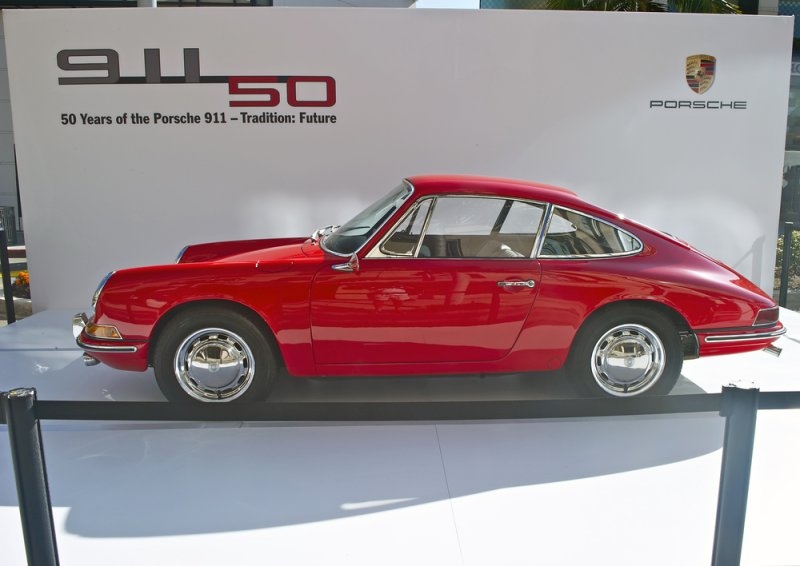
Porsche showed the car at the Frankfurt Motor Show in September 1963. It was called the 901 back then. Peugeot had claimed three-digit names with a zero in the middle, so Porsche quietly switched to 911.
Customer cars arrived in 1964. They replaced the aging Porsche 356, and Ferdinand "Butzi" Porsche shaped the new body. The air-cooled 2.0-liter flat-six made 130 horsepower, which was plenty for a small rear-engined coupe.
Porsche 911 History by Year: A Simple Porsche 911 Timeline
Here's a quick Porsche 911 timeline for readers who like the big picture first. Scan the table, then jump to whichever era catches your eye. Each date below gets more detail in the sections that follow.
| Year | Milestone |
| 1963 | The 901 debuts at Frankfurt |
| 1964 | Renamed 911, deliveries begin |
| 1967 | Targa joins the range |
| 1973 | Carrera RS 2.7 arrives |
| 1975 | First turbocharged 911 |
| 1989 | The 964 brings all-wheel drive |
| 1994 | The 993 becomes the last air-cooled 911 |
| 1998 | The 996 goes water-cooled |
| 2004 | The 997 restores round headlamps |
| 2011 | The 991 gets a longer wheelbase |
| 2016 | Turbochargers reach every Carrera |
| 2019 | The wider 992 launches |
| 2024 | Hybrid Carrera GTS arrives |
How Many Generations of Porsche 911 Are There?
Seven, if you ask most enthusiasts. That runs from the original car through to today's 992. Some fans split the very first generation into F-series and G-series cars, and that pushes their count to eight.
| Generation | Years | Defining Trait |
| Original (F/G-series) | 1963–1989 | Air-cooled, rear-engined classic |
| 964 | 1989–1994 | All-wheel drive, modern comfort |
| 993 | 1994–1998 | Last air-cooled 911 |
| 996 | 1998–2004 | First water-cooled 911 |
| 997 | 2004–2011 | Round headlamps return |
| 991 | 2011–2019 | Longer wheelbase, turbo Carrera |
| 992 | 2019–present | Wider body, hybrid option |
Porsche 911 Generations Explained
Each generation improved on the last without throwing away what made it special. I've grouped the seven into four eras, which is easier to remember than a list of numbers. Want more depth? Our guide on how the Porsche 911 generations have grabbed attention covers each one.
1. The Original Air-Cooled Era (1963–1989)
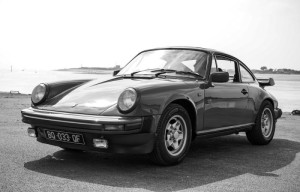
This is where the template was set: flat-six out back, sloping roof, chatty steering. The Targa followed in 1967, named after the Targa Florio road race. Then came the Carrera RS 2.7 in 1973, a lightweight cult favorite.
Big impact bumpers showed up in 1974 to satisfy safety rules. Porsche launched the first 911 Turbo in 1975, and it earned a wild reputation quickly.
2. The 964 and 993 Years (1989–1998)
The 964 made the 911 far easier to live with. It added all-wheel drive, power steering, and anti-lock brakes. Not a small upgrade for a car that once demanded real effort at the wheel.
The 993 followed in 1994 with smoother styling and a better rear suspension. It also turned out to be the last air-cooled 911. That's exactly why collectors hunt for clean ones today.
3. The Water-Cooled 996 and 997 (1998–2011)
The 996 arrived in 1998 with liquid cooling and a much roomier cabin. Its teardrop headlights annoyed many purists, and some nicknamed them "fried eggs." The 997 answered in 2004 by bringing round lamps back.
A 2009 update added direct fuel injection and the seven-speed PDK dual-clutch gearbox. Both made the car quicker and more efficient without spoiling how it felt.
4. The Modern 991 and 992 (2011–Today)
The 991 debuted in 2011 with a longer wheelbase, electric steering, and a lighter structure. In 2016, turbocharged engines reached every Carrera. Power went up, and emissions came down, though some fans missed the old engine sound.
The 992 launched in 2019 with a wider body. A hybrid Carrera GTS followed in 2024, which few people expected a decade earlier.
How the Porsche 911 Has Evolved: Engines and Design
The 911 changed most in two places: what sits behind the rear axle and what wraps around it. Both stories are about slow, deliberate progress rather than sudden leaps. The lists below make each change quick to compare.
Engine Changes Over Six Decades
The flat-six layout stayed. What changed was how it breathes, cools, and gets its fuel.
- 1963: 2.0-liter air-cooled flat-six, 130 horsepower
- 1970s: Bigger engines, plus turbocharging from 1975
- 1998: Liquid cooling arrives with the 996
- 2009: Direct injection and PDK improve efficiency
- 2016: Turbocharged power for every Carrera
- 2024: Hybrid assistance for the Carrera GTS
Design and Technology Changes
Park a 1965 car next to a 2026 car and the family resemblance is obvious. The details around that shape, though, moved a long way in sixty years.
- The sloping roofline and round headlamps stayed as visual signatures.
- Bumpers, aerodynamics, and body width changed with safety and speed goals.
- Interiors went from simple dials to big digital screens.
- Driver aids grew from anti-lock brakes to advanced stability systems.
Porsche 911 Models by Year: Names That Matter
Porsche's badge list can confuse newcomers fast. Carrera, Targa, Turbo, GT3: what do they all mean? This short table of Porsche 911 models by year shows where each famous name first appeared in the range.
| Year | Model | Why It Matters |
| 1967 | Targa | Introduced the removable roof panel |
| 1973 | Carrera RS 2.7 | Lightweight, race-inspired road car |
| 1975 | 911 Turbo | First turbocharged 911 |
| 1989 | Carrera 4 | First, all-wheel-drive 911 |
| 1999 | GT3 | Track-focused, naturally aspirated |
| 2024 | Carrera GTS T-Hybrid | First hybrid 911 |
Porsche 911 Heritage and Development: Why It Endures
Longevity like this is rare. Plenty of great cars vanish after one or two generations. The 911 lasted because Porsche kept improving it instead of starting over, and loyal fans rewarded that patience.
Two things explain most of it: racing success and a very disciplined approach to change. Let's take them one at a time.
Porsche 911 Heritage on the Racetrack
Racing built the 911's reputation long before the road cars got fancy. One report noted that by 2013, two-thirds of Porsche's 30,000 race victories had come from the 911. That's a huge share for one model.
The lessons flowed straight back to showrooms, especially through the Carrera RS and later GT cars. Owners still feel it in the steering, the brakes, and the eager throttle.
Porsche 911 Development Philosophy
Porsche engineers follow a simple rule: evolve the car, never replace the idea. Every redesign kept the rear engine, the sloping roofline, and the everyday usability that made the first one special.
That patience paid off. The 911 has sold over one million cars, which is rare for any sports car and remarkable for one this specialized.
Also Read: Porsche 911 sports car rear view
Porsche 911 Changes Over the Years: What Buyers Should Know
Every era feels different to own, so match the generation to your budget and taste. Prices swing widely with condition, mileage, and history. Always check current listings and get a proper pre-purchase inspection before you commit to anything.
- Air-cooled cars (before 1998): Highly collectible, with prices to match.
- 993: Often the most desirable of the air-cooled group.
- 996 and 997: Usually the cheaper way into modern ownership, but check the engine's service history carefully.
- 991 and 992: Better daily comfort, modern tech, and easier long drives.
- Hybrid Carrera GTS: The newest technology, with the highest price tag.
Conclusion
The Porsche 911 history and evolution story shows that patience can beat reinvention. From the 1963 debut to today's hybrid Carrera GTS, the car kept its shape and its purpose.
So pick the generation that fits your budget and your driving habits. Then go enjoy it.
Frequently Asked Questions
When was the Porsche 911 first made?
Porsche unveiled it in September 1963 as the 901 and renamed it the 911 soon after, following a naming dispute with Peugeot. Customer cars started arriving in 1964, replacing the aging Porsche 356.
How many generations of Porsche 911 are there?
Most people count seven: the original, 964, 993, 996, 997, 991, and 992. Some fans split the original into F-series and G-series cars, which pushes the total to eight under that method.
Which Porsche 911 was the last air-cooled model?
The 993, built from 1994 to 1998, was the last air-cooled 911. Its successor, the 996, switched to water cooling in 1998, partly so Porsche could meet stricter emissions and noise rules.
Is the Porsche 911 still rear-engined today?
Yes. The current 992 still hangs its flat-six behind the rear axle, just as the 1963 original did. All-wheel-drive versions and modern electronics now help tame the old traction and handling quirks.
Which Porsche 911 generation is best for buyers?
That depends on your goals. Collectors chase the air-cooled 993, bargain hunters look at the 996 or 997, and daily drivers usually prefer the comfort and technology of the 991 or 992.
Featured Video
The fastest Porsche 911 ever made | Turbo S
The Porsche 911 has a turbo boost button but you only have 20 seconds...
Comment using Facebook